


You use injection molding because it helps make medical devices fast and easy to produce. This process makes many exact parts that are always the same quality. New reports say that saving money and new technology help this field grow.
| Evidence | Description |
|---|---|
| Cost-effectiveness | Injection molding is a top way to make lots of products because it saves money and can make many items. |
| Technological advancements | Using automation and Industry 4.0 technology makes work faster and better. |
| Market growth | The medical injection molding market will get bigger because people want good, custom products that follow rules. |
Injection molding also helps with new ideas, trust, and meeting strict rules. If you wonder what is injection molding for medical devices, you will see it is the best way for making them today.
Key Takeaways
- Injection molding helps make medical devices quickly and cheaply. It makes sure every part is good and the same.
- Picking the right materials is very important. Different plastics have special features. These features help keep medical devices safe and working well.
- Injection molding can make many parts at once. This lowers costs and cuts down on waste. It helps companies keep up with what people need.
- Careful checks and records help meet strict rules. This makes sure medical devices are safe and work well.
- Using injection molding with 3D printing speeds up making samples. It lets people test and change things fast before making a lot.
What Is Injection Molding for Medical Devices
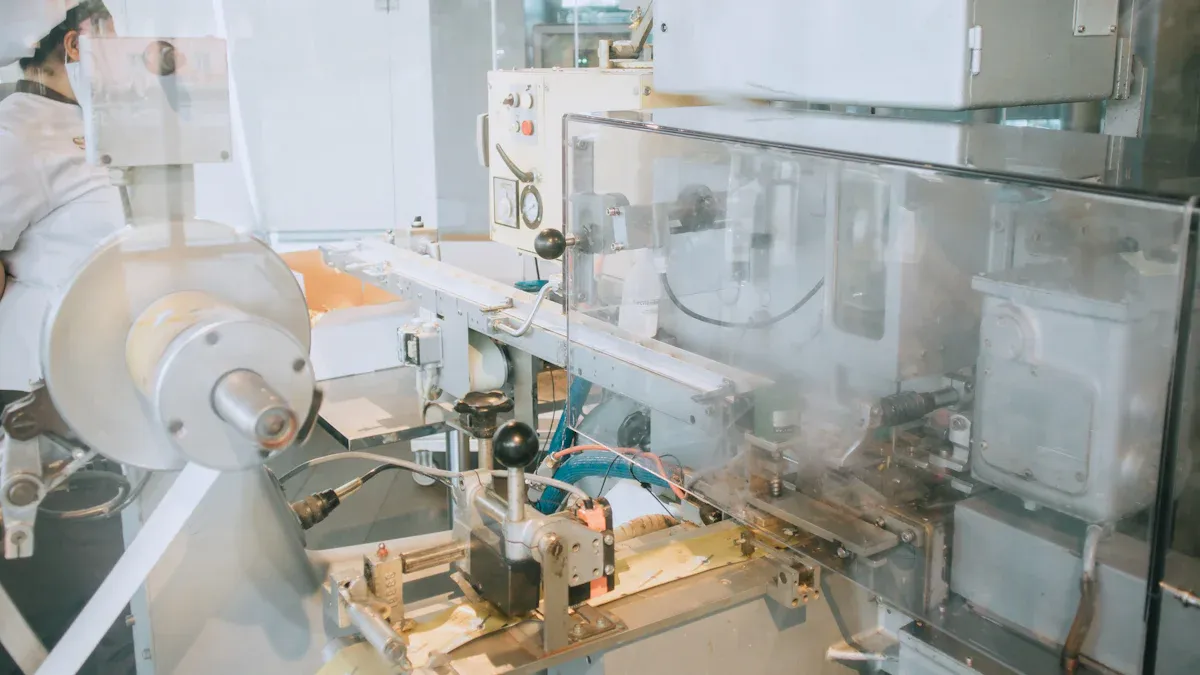
Injection molding is a way to make medical device parts fast and with great accuracy. When you ask what is injection molding for medical devices, you find out it shapes plastic or other stuff into exact forms. Hospitals, clinics, and labs use this method because it helps make safe and trusted tools.
Process Overview
You begin with a mold shaped like the part you want. Machines help make sure every piece is the same. Here are the main steps you follow:
- Clamping: The mold is closed tightly so it does not move.
- Injection: Melted plastic is pushed into the mold space.
- Cooling: The plastic cools and keeps the mold’s shape.
- Ejection: The mold opens and the finished part comes out.
This process lets you make thousands of parts very fast. Each part has the same size, shape, and quality. These steps help you meet strict medical rules.
Materials Used
You pick materials based on what the device must do. Some plastics are better for soft parts, while others are strong or can take heat. The table below shows common materials and what makes them special:
| Material | Unique Properties |
|---|---|
| LDPE | Flexibility, low moisture absorption, biocompatibility, chemical resistance |
| TPE | Wide range of hardness, flexibility, chemical resistance, exceptional barrier properties |
| PP | High flexibility, impact resistance, sterilization resistance, low-friction properties |
| ABS | Durability, wear resistance, biocompatibility, cost-effectiveness |
| PC | High impact strength, heat resistance, electrical insulation |
| PEEK | High temperature resistance, mechanical strength, chemical resistance |
You might use LDPE for soft tubes or catheters. TPE is good for grips or seals. PP works well for syringes because it does not break and is easy to clean. ABS gives you strong and tough parts. PC is clear and strong, so it is used for safety shields. PEEK can handle heat and chemicals, so it is great for parts that need to last.
The material you pick changes how well your device works. You must think about strength, safety, and how easy it is to clean. When you ask what is injection molding for medical devices, you see that picking the right material helps you make safe and useful devices. You can use different plastics to fit each medical tool’s needs.
Efficiency and Scalability
High-Volume Production
Making many medical devices fast is important. Injection molding helps you do this job well. You can make millions of parts that all look the same. Each part has the right size and shape. You do not have to worry about mistakes or parts being different.
- Injection molding lets you make lots of plastic parts for less money. This is good for single-use medical items.
- You get very exact and accurate parts, so each one works right.
- You can make parts with special shapes and small details.
- Machines help speed up the work and you need fewer workers.
- Quality stays high because machines do the same steps every time.
This is why hospitals and labs like injection molding. When you ask what is injection molding for medical devices, you find out it is the best way to make safe and trusted products.
Cost Reduction
Saving money is important when making medical devices. Injection molding helps you spend less in many ways. When you make more parts, each one costs less. The process uses materials well, so you do not waste much.
- You finish big orders faster because the process is quick.
- You use less material since the molds are exact.
- You do not pay extra for mistakes or broken parts.
- Making hard shapes does not cost more, so you can make better devices without higher prices.
Here is how injection molding helps you save money over time:
| Evidence Type | Description |
|---|---|
| Reduced Material Waste | You throw away less material, so you spend less on supplies. |
| Economies of Scale | Making more parts lowers the cost for each one. |
| Quality Control | Fewer mistakes mean less money spent fixing problems. |
| Durable Tooling | Strong molds last a long time, so you pay less for new equipment. |
You get parts that are always the same, so you do not have to fix or recall them. Using injection molding helps you make better medical devices for less money.
Precision and Quality
Finish and Consistency
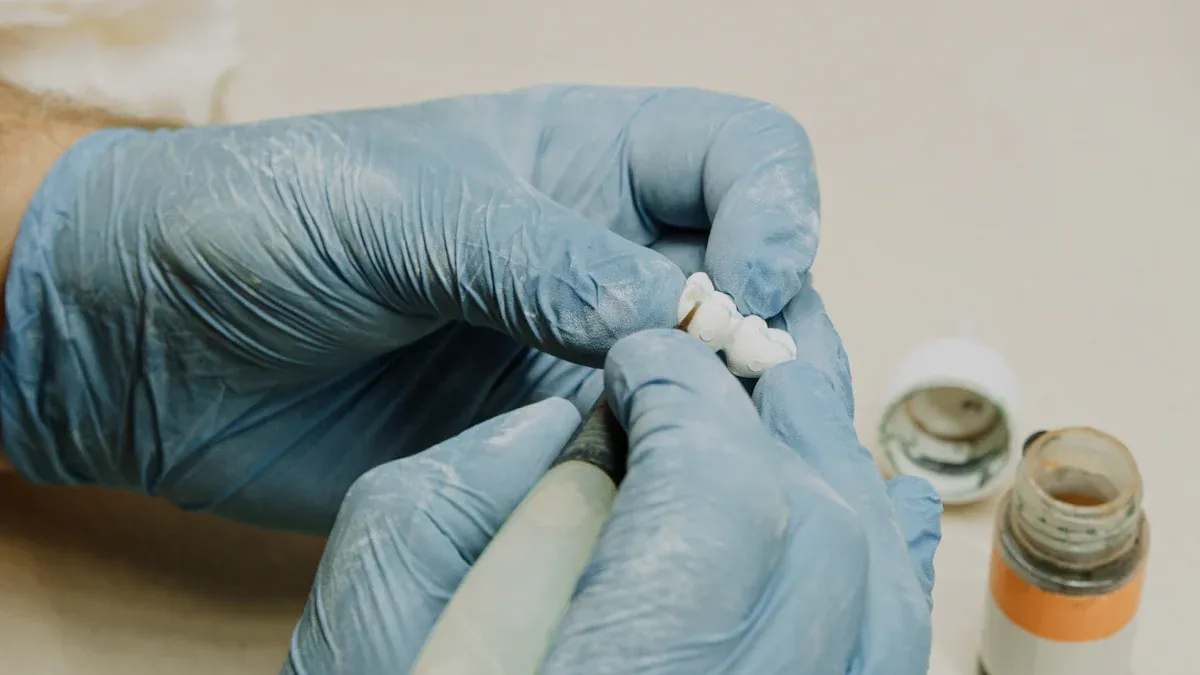
You need every medical device part to look the same. Injection molding helps you do this. The process uses special molds and machines for each piece. You get smooth parts with clear details. There are no rough spots or odd shapes.
- Injection molding gives you great accuracy and sameness. You can make parts with tiny details and exact sizes.
- Metrology tools check each part for problems. These tools help you follow safety rules and keep products safe.
- Scientific injection molding sets the best machine settings. You get exact, repeatable, and problem-free parts every time.
You pick the best material for each device. You test materials before making parts. You check for strength, safety, and how well they work. Mold design is important too. You check every batch for size, strength, and chemical safety. These steps help you answer what is injection molding for medical devices. You see it is the best way to make safe and high-quality parts.
Regulatory Standards
You must follow strict rules when making medical devices. Injection molding helps you meet these rules. You use quality systems and test every step. You keep records of all your work.
| Standard | Description |
|---|---|
| ISO 9001 | Quality management standards that help keep product quality the same by using a system for process control and always getting better. |
| EPA Effluent Guidelines | Rules about wastewater to lower pollution in the environment. |
| RoHS Compliance | Stops the use of dangerous substances in electronics, making products safer. |
| Standard | Description |
|---|---|
| Good Manufacturing Practices (GMP) | Rules for designing, making, and controlling medical devices. |
| Quality System Regulation (21 CFR Part 820) | Rules for setting up and keeping a quality system for making medical devices. |
| ISO 13485 | Focuses on full quality systems that make medical devices safer and follow rules. |
- You do regular checks to find and fix problems.
- You test all materials to make sure they are good.
- You check your process to keep quality the same.
- You keep careful records of every quality check.
You follow these steps to make sure your devices are safe and follow all rules. You keep patients safe and help people trust your products.
Design Versatility
Complex Components
Medical devices often need small shapes and tiny details. Injection molding helps you make these parts very accurately. You can make pieces that fit together or do special jobs. This way, you design tools that work well inside the body.
- Bioabsorbable implants close blood vessels in the heart. Injection molding makes these implants.
- Absorbable stents and grafts give medicine and have tricky shapes. You use injection molding to make them.
- The Sesame molding machine makes tiny parts with special shapes. You can make very small pieces for advanced medical devices.
- Medical micro molding helps you build smaller implantable devices. These include sensors and drug delivery systems.
- You pick materials and design tools carefully. This makes sure your parts are strong and shaped right.
- Quality control checks every part for size and safety. You keep patients safe by making sure each piece meets rules.
Injection molding lets you design medical devices with tiny shapes and details. You can trust this process for hard jobs.
Customization
You want medical devices that fit your needs. Injection molding lets you change parts for different uses. You can pick shapes, sizes, and features to match what you want. This process works for both new ideas and big orders.
Injection molding is a special way to make exact plastic parts. You can make tricky shapes and keep sizes just right. This matters for things like syringes and surgical tools. You save money because you can make a few or many parts.
- Injection molding services give you accuracy and choices.
- You go from ideas to finished parts fast.
- You work with experts to turn your ideas into real products.
You get medical devices that help patients and fit your needs. Injection molding makes it easy to change designs and make products better.
Reliability and Safety
Risk Minimization
You want medical devices to work well and be safe. Injection molding helps lower risks in many ways. You can trust molders who follow strict quality steps. These experts use new machines and keep high standards. You do not need to worry about mistakes or unsafe tools.
- You can pick suppliers with MedAccred certification. This means they follow tough rules for safe and steady work.
- Medical molders use their skills to fix problems. They make sure your devices work as planned.
- You get help from molders who think of new ideas. They solve problems and make designs better.
- The 2-shot molding process gives you control over materials. You get strong and high-quality devices.
- Careful control of settings makes complex shapes and strong parts. This is important for medical tools.
You face problems like picking the right material and keeping things clean. You can solve these by working with experts who know how to choose safe materials and keep things clean. You also need to follow strict rules and do lots of tests. Skilled partners help you meet these rules fast and the right way.
Tip: Always check if your supplier has the right certifications and uses new technology. This helps you avoid risks and get safe products.
Durability
You need medical devices that last through lots of use and cleaning. Injection molding helps you get strong and reliable parts. You can see how different features add to durability in the table below:
| Aspect | Contribution to Durability |
|---|---|
| Wear Resistance | Molded parts resist wear, so they last longer even with frequent use. |
| Chemical Resistance | Special coatings protect against harsh cleaners, making sanitization easier. |
| Ease of Cleaning | Fewer seams mean less dirt builds up, so you can clean devices quickly. |
You can pick materials that are strong and safe. Experts help you choose plastics that work well and last long. You get devices that stay safe and work well, even after many uses and cleanings. You can trust injection molding to give you medical tools that protect patients and meet high standards.
Innovation and Prototyping
3D Printing Integration
You can use 3D printing to make new ideas real in a short time. This technology helps you test designs before you spend money on full production. When you combine 3D printing with injection molding, you get many benefits:
- You can create prototypes quickly and check if your design works.
- You can make molds or mold inserts fast, even for shapes that are hard to produce with other methods.
- You can design medical devices for each patient, making sure the fit and function are just right.
3D printing lets you try out new shapes and features without waiting weeks or months. You can see how a part looks and feels before you make thousands of them. This process helps you avoid mistakes and save money.
Tip: Use 3D printing to test your ideas early. You can find problems before they become costly.
Rapid Prototyping
Rapid prototyping speeds up how you develop medical devices. You can send a CAD file and get a tool made in just a few days. Then, you can produce injection molded parts in less than two weeks. This is much faster than old methods.
You can use the same materials for your prototypes as you will for the final product. This helps you find any problems early. You can test how the device works and make changes before you spend a lot of money. You also get to check if your device meets FDA rules sooner.
- Rapid prototyping cuts down the time you need to make and test new parts.
- You can make changes and test again quickly.
- You can use real materials for better testing and safety.
- You find problems early, so you do not waste money fixing them later.
- You can gather feedback from users and improve your design.
When you use rapid prototyping, you bring better products to market faster. You save money and make sure your devices are safe and ready for patients.
Imaging Safety
Non-Metallic Parts
You want medical devices to be safe with MRI and CT scans. Injection molding makes non-metallic parts for this. These parts do not block or mess up images. Doctors can see clear pictures. Devices are lighter, so surgeons do not get tired as fast.
- Non-metallic parts make devices weigh less. Surgeons can work longer without feeling tired.
- Injection molding helps lower costs. You can make single-use tools that help stop infections.
- Plastics like PEEK and PPSU can handle strong cleaning. Devices stay safe after being cleaned.
- Special polymers used in injection molding are not toxic. They follow FDA and ISO rules, so patients stay safe.
- Medical-grade materials can take common cleaning methods. Devices stay safe and work well each time.
Tip: Using non-metallic parts makes devices safe for patients and easy for doctors to use.
Compatibility
Your medical devices must work with imaging machines. Injection molding lets you pick materials that do not mess up scans. For example, PEEK is radiolucent. It does not show up on MRI, X-ray, or CT scans. Doctors can see inside the body with no shadows from your device.
- PEEK parts made by injection molding do not block images after surgery. Doctors can check healing or find problems easily.
- Injection molding helps you make parts for special imaging needs. You can design devices that fit with MRI and CT machines.
When you use injection molding for non-metallic parts, your devices are safe and ready for modern imaging. This helps doctors care for patients and keeps everyone safe during treatment.
Sterilization
Material Selection
You need to pick the right materials for medical devices that must be sterilized. This helps your devices stay safe and strong. You look at a few important things:
- Biocompatibility: You check if the plastic meets ISO 10993:1 and USP Class VI. This makes sure the material is safe for people.
- Product life cycle: You decide if the device is single-use or reusable. The material must last as long as you need it.
- Sterilization methods: You think about how steam, gas, or radiation will change the plastic. Some plastics handle heat or chemicals better than others.
- Cleaning/Disinfecting: You choose plastics that do not get ruined by strong cleaners. This lets you clean devices without breaking them.
- Retention of properties: You want plastics that stay strong and tough over time.
You can see how different plastics work with sterilization in the table below:
| Material | Steam 250°F/121°C | Steam 273°F/134°C | ETO 140°F/60°C | Gamma 73°F/23°C | Plasma 113°F/45°C | Hot Air 356°F/180°C | Hydrogen Peroxide |
|---|---|---|---|---|---|---|---|
| PEEK | Highly resistant | Highly resistant | Highly resistant | Highly resistant | Highly resistant | Highly resistant | Highly resistant |
| PC | Good resistance | Good resistance | Good resistance | Good resistance | Good resistance | Good resistance | Good resistance |
| PMMA | Minimal resistance | Minimal resistance | Minimal resistance | Minimal resistance | Minimal resistance | Minimal resistance | Minimal resistance |
PEEK works well with almost every way to sterilize. PC also stands up to many cleaning types. PMMA does not do well with heat or chemicals, so you use it less for tough cleaning.
Cleaning Ease
You want medical devices that are simple to clean and keep germ-free. Injection molding helps you reach this goal. The process makes smooth surfaces and easy shapes. Dirt and germs cannot hide in small cracks.
- The factory stays clean. Workers use dust-free rooms and wear clean gear. This keeps your devices safe from germs.
- Medical-grade plastics fight off germs and chemicals. You can use strong cleaners without hurting them.
- Devices keep their color and strength after many cleanings. You do not see fading or cracks.
When you visit a medical molding company, you see machines and workers in closed, dust-free rooms. Everyone wears clean protective gear. This shows they care about keeping things clean and safe.
You get devices that are easy to clean and safe for people. You do not have to worry about germs or damage. Injection molding helps you trust every product you use.
You can see that injection molding makes medical devices exact and dependable. It also helps save money. This way, you can follow tough rules and make products quickly when needed. You have many materials to pick from and can design special parts for each job.
- Injection molding gives you:
- Very exact parts every time
- Quick ways to make lots of items
- Choices for tricky shapes
- Careful checks for good quality
If you want to make your factory better, you should talk to people who know injection molding well. This will help you build safe and top-quality devices for the future.
FAQ
What medical devices can you make with injection molding?
You can make things like syringes and catheters. You can also make surgical tools and parts that go inside the body. Hospitals use these items every day. Injection molding helps you make safe and strong products for patients.
Why do you choose injection molding for medical devices?
You pick injection molding because it is fast. It keeps the quality high for every part. You save money and get the right shapes. This process helps you follow tough safety rules.
Can you use different plastics for each device?
Yes, you can choose from many plastics. Each plastic works best for a certain job. For example, PEEK can take heat. LDPE bends without breaking. You pick the plastic that fits your device.
How does injection molding help with sterilization?
Injection molding makes smooth and strong parts. You can clean them easily and keep germs away. Some plastics can handle heat and chemicals. You can sterilize these parts many times.
Is injection molding safe for making medical devices?
Yes, injection molding follows strict rules to keep things safe. You test every part and write down the results. You use safe materials and clean rooms. This process helps protect patients and builds trust.
