


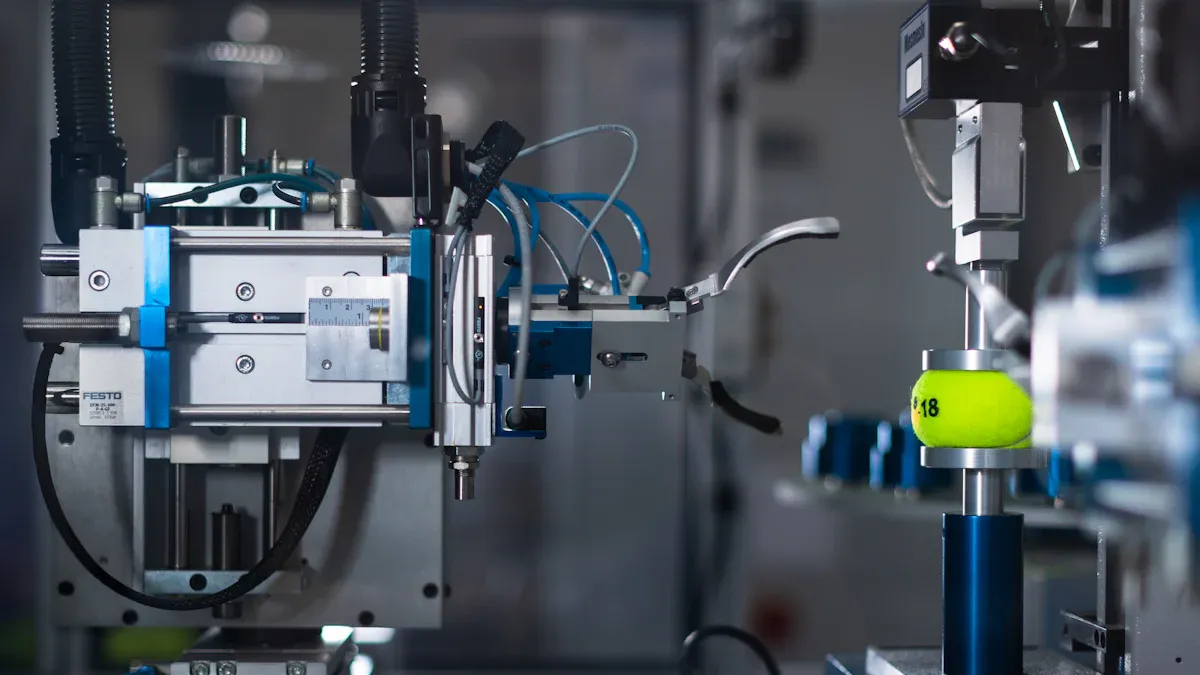
PBT injection molding turns polybutylene terephthalate into strong parts. It uses heat and pressure to make these parts. Manufacturers like this method because it makes parts that resist heat, chemicals, and electricity. The global PBT market is growing fast. Experts say it could be worth $2.56 billion to $7.37 billion in 2024. Many industries use PBT injection molding:
- Electrical: equipment housings, connectors, and circuit breakers
- Medical: drug delivery devices and inhalers
- Food processing: machinery parts and valves
This process helps companies follow strict rules for safety and strength.
Key Takeaways
- PBT is a tough plastic that can handle heat. It is good for making strong parts. Many industries use it, like cars, electronics, and medical fields.
- The injection molding process for PBT has four steps. First, the plastic melts. Then, it gets pushed into a mold. Next, it cools down. Last, the part comes out. People must watch the heat and pressure to make good parts.
- You must dry PBT pellets before molding. This stops bubbles and weak spots from forming. Drying keeps the parts strong and smooth.
- PBT parts are very strong and do not let electricity pass through. They also have a nice, smooth look. This makes them work well and look good.
- You should follow the best ways to handle materials and set up machines. Good mold design is important too. These steps help stop problems and make great PBT parts.
PBT Overview
Properties
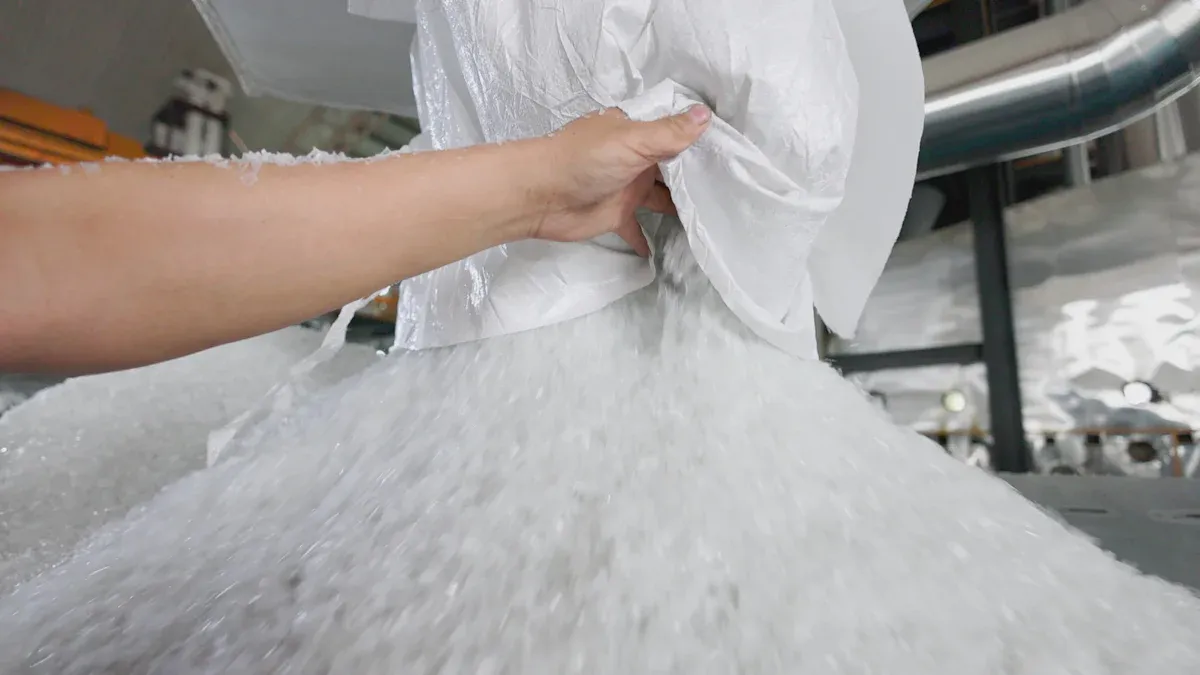
Polybutylene terephthalate (PBT) is a strong plastic. It is very reliable for making many things. Manufacturers like PBT because it has special physical and chemical features. These features make it great for injection molding.
- PBT is tough and stiff. It does not break easily.
- It keeps its shape even when it gets hot.
- PBT protects electronic parts from electricity.
- It does not get damaged by many chemicals.
- PBT does not soak up much water, so it stays the same size.
- Molded parts look smooth and nice.
- Its polymer structure helps it melt and flow well.
- PBT can handle heat and does not break down.
- It keeps its shape and size after molding.
- It works in temperatures from 80°C to 140°C.
- PBT must be dried before molding to keep quality high.
Tip: PBT is strong, stable, and resists chemicals and heat. This makes it good for tough jobs.
Applications
PBT’s features help it work in many industries. Car and electronics makers use PBT for important parts that need to last.
- In cars, PBT is used for gears, sensors, and connectors. It is also in bumpers, grilles, inside trim, engine parts, and motor covers.
- In electronics, PBT is used for connectors, housings, switches, sockets, circuit breakers, lighting, and insulation.
- In factories, PBT is used for valve parts, pump housings, bearings, and conveyor parts.
- In medical and food work, PBT is used for drug devices, inhalers, and machine parts.
| PBT Grade | Key Features | Common Applications |
| PBT 1000 | High strength, chemical resistance | Electrical connectors, automotive components |
| PBT 2000 | Impact resistance, stability | Under-the-hood parts, electrical housings |
| PBT 3000 | Heat and wear resistance | Gears, bearings, bushings |
| PBT 4000 | Flame resistance, flowability | Switches, connectors, sockets |
| PBT 5000 | High stiffness, chemical resistance | Circuit breakers, lighting components |
PBT is popular because it works well and is dependable in many products.
PBT Injection Molding Process

Steps
PBT injection molding has several important steps. Each step helps make strong and reliable parts.
- Material Preparation: Workers put PBT pellets into a hot barrel. A screw inside the barrel melts and mixes the plastic. Heater bands keep the barrel warm. The screw moves the melted plastic forward.
- Injection Into the Mold: The screw pushes the melted PBT into the mold. The machine holds the mold shut with a lot of force. This keeps the mold closed while the plastic fills it.
- Holding, Cooling, and Solidifying: The machine keeps pressure on the plastic after injection. This packs the material tightly and stops shrinking. Cooling channels in the mold take away heat. The part gets hard as it cools down.
- Part Ejection: The mold opens up. Ejector pins or plates push the part out. Draft angles help the part slide out easily. Some factories use robots to remove parts fast and safely.
Tip: Draft angles and smooth molds help stop damage when parts come out.
Parameters
Controlling process settings is very important for PBT injection molding. The right settings help avoid problems and make good parts.
| Parameter | Standard PBT Range | Glass Fiber Reinforced PBT Range |
| Barrel Temperature | 240°C to 280°C | 230°C to 260°C |
| Mold Temperature | 40°C to 60°C | 60°C to 80°C |
| Nozzle Temperature | 5°C to 10°C lower than barrel | 5°C to 10°C lower than barrel |
- Injection Pressure and Speed: Operators change pressure and speed to fill the mold. Too much can cause flash. Too little can make weak or missing parts.
- Clamp Force: The machine uses strong force to keep the mold closed. This stops leaks and helps the part form right.
- Screw Speed and Back Pressure: Screw speed helps melt and mix the plastic. Back pressure makes the material better.
- Ejection Speed and Force: The machine controls how fast and hard it pushes the part out. Careful control stops damage.
Note: Keeping the right temperatures stops PBT from breaking or having problems.
Pre-Drying
PBT can soak up water from the air. Even a little water can cause problems when molding. Water can make silver lines, bubbles, and weak parts. It can also break the polymer chains and make the part less strong.
- Drying PBT pellets before molding is very important.
- The best drying temperature is 120°C to 130°C.
- Drying should last 3 to 5 hours.
- Moisture should be no more than 0.02%.
- Drying below 100°C does not work well. Drying above 150°C can change the color.
Alert: Always check dryer settings and pellet moisture before starting PBT injection molding. Good drying keeps parts strong and free from problems.
PBT injection molding needs careful work and close attention. These steps and settings help companies make good parts for many uses.
Benefits of PBT Injection Molding
Mechanical Strength
PBT injection molding makes parts that are strong and tough. Many companies use PBT because it can handle a lot of use. Standard PBT grades have tensile strength from 50 to 80 MPa. If glass fibers are added, the strength can go up to 140 MPa. The flexural modulus is between 2.0 and 2.8 GPa. This means the parts stay stiff and do not bend much. Water absorption is low at 0.34%. So, the parts keep their shape even in wet places.
| Property | Typical Value |
| Tensile Strength | 50 – 80 MPa (standard grades) |
| Tensile Strength | Up to ~140 MPa (glass-fiber reinforced grades) |
| Flexural Modulus | 2.0 – 2.8 GPa |
| Water Absorption | 0.34% |
PBT also has good impact resistance. Non-reinforced PBT has Izod impact strength from 50 to 80 J/m. Glass-fiber grades reach 60 to 80 J/m. These numbers mean PBT parts can take hits and drops without breaking. They stay strong even when it is cold.
Electrical Insulation
PBT injection molding gives great electrical insulation. PBT has high dielectric strength and electrical resistance. These features protect parts from electrical discharge. They also stop leaks or breakdowns in power circuits. PBT has low dielectric loss, which helps in high-frequency electronics. It keeps its insulation even in humid or hot places. This makes it a good choice for connectors, switch housings, and other electrical parts.
- High dielectric strength protects against electrical discharge.
- Stops leaks and breakdowns in circuits.
- Low dielectric loss helps in high-frequency uses.
- Keeps insulation in tough places.
PBT is better than many other plastics for keeping electrical properties stable. It works well even when there is moisture or heat. Many companies use it for car wiring and electronic control units.
Surface Finish
PBT injection molding makes parts with a smooth and shiny surface. This finish makes products look nice and feel good to touch. But some surface problems can happen if the process is not done right. Common problems are voids, blush, scratches, and weld lines. The table below shows these problems and how to stop them:
| Surface Defect | Common Causes | Minimization Strategies |
| Voids | Trapped air, uneven cooling | Proper venting, uniform wall thickness |
| Blush | Moisture in resin, rapid cooling | Dry resin, control cooling |
| Scratches | Mold roughness, poor ejection | Maintain mold, careful handling |
| Weld Lines | Material fronts cooling too early | Adjust temperature, redesign mold flow |
Tip: Drying the resin and keeping the mold clean help get the best surface finish.
PBT injection molding lets companies make parts that are strong, safe, and look good.
Challenges and Solutions
Processing Issues
PBT injection molding can have some problems during processing. One big problem is moisture sensitivity. PBT takes in water from the air. If it is not dried well, water can hurt the material. This makes the polymer chains break and parts get weaker. Parts might look darker or have marks on the surface. Drying PBT before molding stops these issues.
Thermal degradation is another problem for PBT. If the melt gets too hot or stays in the barrel too long, it can break down. This can cause nozzle leaks, too much plastic, or color changes. Operators need to keep the barrel temperature between 240°C and 280°C. The nozzle should be a little cooler. Keeping the material in the barrel for a short time helps protect it.
Other problems are warpage, floating fibers, mold scale, and weak hydrolysis resistance. Warpage happens when parts shrink in different ways. Floating fibers show up when glass fibers do not mix well with PBT. Mold scale comes from leftover small molecules. Weak hydrolysis resistance can make parts weaker in wet or hot places.

| Processing Issue | Cause / Reason | Solution / Mitigation |
| Moisture Sensitivity | PBT absorbs water, causing degradation | Dry pellets before molding |
| Thermal Degradation | High temperature or long barrel time | Control melt temp, reduce residence time |
| Warpage | Uneven shrinkage, glass fiber orientation | Adjust mold temp, add fillers, optimize cycle |
| Floating Fibers | Poor fiber compatibility, low mold temp | Use compatibilizers, raise mold temp, optimize parameters |
| Mold Scale Formation | Small molecule residues, poor thermal stability | Reduce additives, improve thermal stability |
| Poor Hydrolysis Resistance | Terminal carboxyl groups, water at high temp | Add stabilizers, block carboxyl groups |
Troubleshooting
Operators can fix many PBT injection molding problems by troubleshooting. If there are short shots or burn marks, they should do short shot tests and look for burn mark spots. Lowering injection speed and melt temperature can help stop burns. Adding air vents at parting lines or rib corners lets trapped air out.
To stop flash, operators can lower injection pressure and speed. Making the mold parting line tighter and using more clamp force also helps. Changing barrel and mold temperatures controls how the material flows and stops overflow. Setting holding time and pressure right keeps parts from being overpacked.
Splay often happens because of moisture or trapped air. Drying the material, lowering injection speed and temperature, and keeping the mold clean all help stop splay. Watching the process in real time can catch problems early.
Tip: Checking machines and cleaning molds often keeps defects low and parts good.
| Troubleshooting Aspect | Recommended Steps and Explanation |
| Process Condition Adjustments | Lower injection speed and melt temp, reduce mold temp, run short shot tests |
| Mold Design Improvements | Add air vents at burn-prone areas, use simulation to find air traps, design for better air release |
| Additional Considerations | Optimize part design, use rheology testing, check machine suitability |
PBT injection molding needs careful drying, temperature control, and good mold design. These steps help companies make strong and reliable parts.
Best Practices
Material Handling
Good material handling keeps PBT resin in great shape. Workers should store resin in a cool, dry spot. The best temperature is between 68°F and 86°F. Humidity should stay under 60%. Airtight, dark containers keep out water and sunlight. Clean containers with tight lids stop dust and dirt. Each container needs a label with the type, batch, and date. This helps workers use the oldest resin first. Resin should not be near dock doors to avoid hot or cold air. Only open what you need right away. Put unused resin in sealed bags or foil boxes. Drying hoppers must stay full for steady flow. Level sensors help keep the flow even. PBT resin soaks up water from the air. Drying before use is very important. Drying takes out water and stops problems in finished parts.
Machine Settings
Machine settings are very important for PBT injection molding. Operators use fast speed in runners to save time. Near the gate, they may slow down to stop problems. But PBT often works well at high speed here. High speed during filling makes the surface shiny. When the mold is almost full, medium speed helps in thick spots. Slow speed at the end stops flash and burn marks. Melt and mold temperatures must stay in the right range. Cooling time should also be correct. Screw speed should be 25 to 60 rpm, not over 80 rpm. Back pressure should be 10% to 15% of injection pressure. These settings help stop burns, silver lines, and weak welds.
| Setting | Best Practice |
| Melt Temperature | Stay within recommended range to avoid degradation |
| Mold Temperature | Control for proper cooling and crystallinity |
| Injection Speed | Stage from high to low for best surface quality |
| Screw Speed | 25–60 rpm; avoid high speeds |
| Back Pressure | 10–15% of injection pressure |
Mold Design
Mold design changes how good PBT parts turn out. PBT can shrink and bend more than some plastics. This is worse with glass fibers. Walls should be the same thickness to stop warping and sink marks. Ribs should be thinner than the main walls. Adding curves helps the plastic flow and makes parts stronger. Thin parts are harder to fill, so design matters a lot. The type and place of the gate are important. Edge gates are easy but can leave marks. Fan gates help flow in thin parts. Submarine gates are easy to trim but can get too hot. Hot runner systems cut waste and keep plastic moving. Gates should let plastic reach all ends at the same time. Putting gates in thick spots keeps pressure up and stops defects.
Quality Control
Quality control makes sure every part is good. Workers check resin for water before use. They watch machine settings and change them if needed. Checking parts often helps find problems early. Parts should look good and be the right size and strength. Sensors and automatic loaders keep the flow steady. Clean and well-kept molds stop many problems. Good records of batches and settings help fix issues later.
Tip: Careful checks and good handling at every step make strong, high-quality PBT injection molded parts.
This guide showed the main steps and benefits of this process. It also shared best ways to make strong parts. You can get better results by using tips about drying, machine settings, and mold design. You might want to learn more about advanced materials or how to fix problems. Learning these skills helps you make good products and do well in this field.
FAQ
What is PBT and why do manufacturers use it?
PBT means polybutylene terephthalate. Companies pick it because it is tough and does not melt easily. It keeps its shape in heat and does not get ruined by chemicals. PBT also stops electricity from passing through.
How does pre-drying PBT pellets help?
Pre-drying takes water out of the pellets. This stops bubbles and weak spots from forming. It also helps the part look smooth. Dry pellets make parts that are strong and look nice.
Can PBT parts handle outdoor use?
PBT parts can be used outside. They do not get damaged by sun or rain. They also work well when it gets hot or cold. That is why cars and electronics use PBT outside.
What are common defects in PBT injection molding?
| Defect | Cause |
| Voids | Air gets trapped |
| Splay | Water in the resin |
| Warpage | Cooling is uneven |
| Flash | Injection is too fast |
Tip: Keep resin dry and set machines right to stop defects.
