


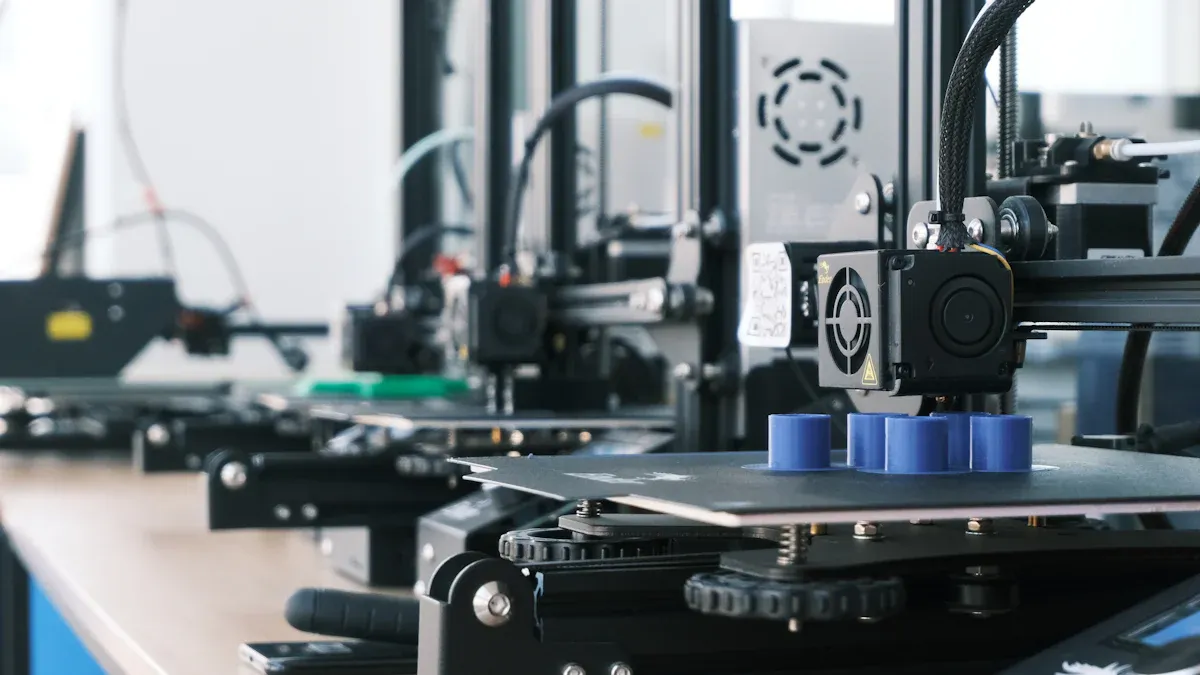
ABS plastic injection molding is a way to shape ABS plastic. ABS stands for Acrylonitrile Butadiene Styrene. This process makes strong and long-lasting parts. It is important in modern manufacturing because it works well and can be used in many ways.
Why is ABS special? It is strong, light, and easy to use. Many industries like it for these reasons. In 2023, the global plastic injection molding market was worth $191 billion. By 2029, it may grow to $235.7 billion. This shows more people want materials like ABS to make good products quickly.
Key Takeaways
- ABS plastic is tough, light, and simple to shape. It is great for industries like cars and electronics.
- Preparing ABS pellets well, like drying them, stops flaws and makes better products.
- Keeping walls the same thickness and using smart mold designs avoids bending or shrinking when cooling.
- Finishing steps, like cutting and polishing, improve how ABS parts look and work.
- Recycling ABS plastic helps the planet by cutting waste and saving money.
Properties of ABS Plastic
Strength and Durability
ABS plastic is very strong and lasts a long time. It can handle impacts without cracking or breaking. This makes it great for car parts and protective covers. ABS has a modulus of elasticity of 2 GPa. This means it can take a lot of stress before bending. Its density, between 1.05 and 1.18 g/cm³, keeps it light but sturdy.
Another important feature is its resistance to damage. Even with repeated use, ABS keeps its shape and works well. This means products made from ABS last longer and need fewer replacements.
Heat Resistance
ABS plastic works well in hot conditions. Its heat deflection temperature is between 93°C and 118°C. This helps it stay strong and keep its shape in moderate heat. During production, ABS can handle temperatures from 190°C to 235°C. This makes it useful for many manufacturing tasks.
It is also thermally stable. ABS only starts breaking down at temperatures above 250°C. This adds safety during production. Its heat resistance makes it perfect for things like electronics cases, where heat control is important.
Ease of Molding
ABS is easy to shape into detailed designs. Its shrinkage rate is low, between 0.4% and 0.9%. This means the final product looks very close to the mold design. Less fixing is needed after molding.
ABS absorbs very little water, less than 1%. This stops it from warping during molding. Its processing temperature range of 190°C to 235°C makes it easy to work with while keeping quality high. These features make ABS popular for making precise and detailed parts.
| Property | Value |
| Density | 1.05~1.18 g/cm³ |
| Shrinkage | 0.4%~0.9% |
| Modulus of Elasticity | 2 GPa |
| Poisson’s Ratio | 0.394 |
| Moisture Absorption | <1% |
| Melting Temperature | 217~237℃ |
| Thermal Decomposition Temp. | >250℃ |
| Heat Deflection Temp. | 93~118℃ |
| Molding Shrinkage Rate | 0.4% to 0.7% |
| General Processing Temp. | 190-235℃ |
Knowing these properties shows why ABS is a top choice for molding. Its strength, heat resistance, and easy shaping make it useful for many industries.
ABS Plastic Injection Molding Process
Pre-Treatment of ABS Pellets
Before molding, ABS pellets need preparation. These pellets can soak up moisture from the air. This moisture can cause bubbles or weak spots in the product. To stop this, dry the pellets with a dehumidifying dryer. The drying temperature is usually 80°C to 90°C. Drying takes about 2 to 4 hours.
Drying helps the pellets melt evenly during molding. It also improves material flow, making smooth and strong products. Skipping this step can lead to bad-quality parts that fail to meet standards.
Machine Calibration
Setting up the molding machine is very important. You must adjust settings to fit ABS plastic needs. These include injection pressure, mold temperature, and injection speed.
- Injection Pressure: Fills the mold fully and keeps parts strong.
- Mold Temperature: Controls cooling and affects the product’s surface.
- Injection Speed: Helps material flow smoothly, avoiding defects.
You should also check cavity pressure and heating zones. These affect the product’s quality and consistency. Below is a table of key process metrics:
| Parameter | Description |
| Tolerance level | Limits how much product size can vary. |
| Material heating zones | Ensures plastic melts properly for smooth flow. |
| Cavity pressure | Helps fill the mold and keeps parts strong. |
| Injection time | Controls how fast material enters the mold. |
| Overall production time | Total time for the whole molding process. |
| Product cooling time | Time for the product to harden and be removed |
Correct machine setup gives consistent results and reduces waste.
Injection, Cooling, and Ejection Cycle
The ABS molding process has three main steps: injection, cooling, and ejection.
- Injection: Melted ABS is pushed into the mold under high pressure. The time depends on the part’s size and shape. Proper injection fills the mold completely without gaps.
- Cooling: After filling, the material cools and hardens. Cooling time is important for the product’s shape and strength. Keep mold temperature steady to avoid warping.
- Ejection: Once cooled, the mold opens, and the part is removed. Ejector pins or tools help remove the part without damage.
Each step is key to making high-quality ABS parts. Managing these steps well ensures strong and accurate products.
Post-Processing Techniques
Post-processing is a key step in making ABS parts. It helps the product look good and work well. There are many ways to improve molded parts after production.
1. Surface Finishing
Surface finishing makes ABS parts look better and feel smoother. Methods include sanding, polishing, and painting. Sanding removes rough spots. Polishing gives a shiny finish. Painting adds color and protects the part from damage.
Tip: Use soft sandpaper to avoid scratching ABS parts.
2. Trimming and Cutting
Extra material, called flash, can form on part edges. Tools like trimmers or cutters remove this flash. Clean trimming helps the part fit perfectly where it is needed.
3. Assembly and Bonding
Some ABS parts need to connect with other pieces. You can use glue, ultrasonic welding, or screws to join them. Ultrasonic welding makes strong and smooth connections.
4. Painting and Coating
Painting and coating make ABS parts look nice and last longer. Use special paints for plastics. Coatings like UV layers protect parts from sunlight and wear.
5. Quality Inspection
Quality checks ensure parts meet design needs. Look for problems like cracks or warping. Use tools like rulers or gauges to measure sizes correctly.
6. Printing and Labeling
Printing and labeling add logos or important details to parts. Methods like screen printing or laser engraving create strong, lasting marks.
7. Heat Treatment
Heat treatment makes ABS parts stronger and less stressed. Heat the part, then cool it slowly to improve its strength.
Note: Do not overheat ABS parts, or they may bend.
8. Recycling and Reprocessing
Recycling leftover ABS is good for the environment. Grind waste into pellets and reuse them. This saves money and reduces waste.
Using these post-processing methods ensures ABS parts are ready to use and look great.
Advantages and Disadvantages of ABS Injection Molding
Benefits of Using ABS Plastic
ABS plastic has many good qualities for molding. It is tough and can handle rough use without breaking. This makes it great for cars and electronics, where strength matters. ABS is also strong and stiff, so it works well for parts that need to hold weight or keep their shape.
Another advantage is how easy it is to shape. ABS can be molded into detailed designs with tight fits. It also resists chemicals like oils and acids, so it stays reliable. Plus, ABS is a good insulator, making it perfect for electronic cases and parts.
The table below shows the main pros and cons of ABS plastic:
| Advantages of ABS Plastic | Disadvantages of ABS Plastic |
| Strong and impact-resistant | Weak against bad weather |
| Good mechanical strength | Can catch fire |
| Easy to mold | Not great with high heat |
| Resists chemicals | Can shrink or warp |
| Good for electrical insulation | N/A |
These features show why ABS is used in many industries. Its mix of strength, flexibility, and dependability makes it a top choice for different uses.
Limitations and Challenges
Even though ABS has many benefits, it has some downsides too. One big problem is that it doesn’t handle bad weather well. Sunlight or harsh weather can damage it, so it’s not good for outdoor use unless coated.
Another issue is that ABS burns easily. This limits its use in places where fire safety is important. It also doesn’t handle high heat well, as it can bend or weaken when exposed to heat for too long.
ABS can also change shape during cooling. This can cause parts to shrink or warp, making them less accurate. Careful mold design and process control can help, but it makes production harder.
The molding process itself has challenges too. Starting costs are high, and it takes time to set up. This makes it less ideal for small projects. But for large-scale production, the process is efficient and reliable.
The table below compares the pros and cons of injection molding:
| Advantages of Injection Molding | Disadvantages of Injection Molding |
| Makes detailed parts with tight fits | Costs a lot to start |
| Works with many materials and colors | Takes time to set up |
| Very efficient | N/A |
| Reliable and repeatable | N/A |
| Can reuse leftover material | N/A |
Knowing these challenges helps you plan better when using ABS plastic. By fixing these issues with good design and processes, you can enjoy the benefits while avoiding problems.
Design Tips for ABS Injection Molding
Wall Thickness and Evenness
Keeping wall thickness the same is very important for ABS. Uneven walls can cause cracks, bending, or breaking when cooling. The best wall thickness is between 0.080 and 0.160 inches. This range helps avoid problems and keeps parts strong and long-lasting.
Thicker walls take more time to cool, slowing production and raising costs. Very thin walls might not be strong enough for the part. Keeping the thickness even across the design avoids these problems. It also helps make good-quality parts faster.
Mold Design and Draft Angles
A good mold design is key for ABS molding. Cooling channels should be placed carefully to cool parts evenly. This stops bending and keeps the part’s quality consistent. Also, molds need draft angles to help remove parts after cooling.
Draft angles of 1 to 2 degrees usually work well for ABS. These angles make it easier to take parts out without damage. Without draft angles, parts may stick to the mold, causing delays and defects.
| Design Tip | Why It’s Important |
| Wall Thickness | A thickness of 0.080 to 0.160 inches avoids bending and cracking. |
| Mold Design | Cooling channels stop bending and keep part quality steady. |
| Draft Angles | Draft angles (1-2 degrees) make removing parts easier and safer. |
Avoiding Common Problems
Problems like lines, bending, or dents can happen during molding. To stop these, place gates in the right spots. Gates control how melted ABS enters the mold. Good placement helps the material flow evenly, reducing problems.
Also, watch the cooling process closely. Uneven cooling can cause parts to bend or shrink. Molds with well-placed cooling channels keep temperatures steady and prevent these issues.
By following these tips, you can make ABS parts that are strong, high-quality, and made without wasting time or materials.
Optimizing Mold Flow and Cooling
Good mold flow and cooling are key for strong ABS parts. Bad flow can cause air bubbles or incomplete molds. Uneven cooling may lead to bending or shrinking. Fixing these problems improves quality and saves time.
Tips for Better Mold Flow
- Pick the Best Gate Location
Place gates where material spreads evenly. Bad spots can cause weak areas or marks. - Set Injection Speed and Pressure Right
Use medium speed to avoid messy flow. High pressure fills molds fully but too much can cause leaks. - Add Vents for Air Release
Vents let trapped air escape. This stops bubbles and helps smooth flow. - Keep Material Temperature Steady
Heat ABS between 190°C–235°C. This keeps it flowing well without damage.
Tip: Clean molds often to stop blockages in flow paths.
Ways to Improve Cooling
- Plan Cooling Channels Well
Put cooling channels near the mold cavity. This spreads heat evenly and cools faster. - Keep Mold Temperature Even
Make sure all mold areas stay the same temperature. Uneven heat can cause bending or shrinking. - Give Enough Cooling Time
Don’t rush cooling. Let parts fully harden before removing them.
| Cooling Factor | Effect on Quality |
| Channel Placement | Stops uneven cooling |
| Mold Temperature | Prevents bending and shrinking |
| Cooling Time | Helps parts harden properly |
Note: Advanced cooling systems, like conformal cooling, make cooling even better.
Using these methods gives smoother flow and steady cooling. This makes stronger ABS parts with fewer mistakes and faster production.
Applications of ABS Plastic
ABS plastic is used in many industries because it is strong, long-lasting, and easy to shape. Its flexibility makes it a favorite for making important parts in different fields.
Automotive Components
ABS plastic is common in car parts due to its light weight and toughness. It is used for dashboards, trims, and outside parts of cars. It lasts a long time and handles wear well.
- About 30% of ABS use in 2022 was for cars.
- Special ABS types are great for lighter, fuel-saving cars.
- Electric cars need more ABS parts as they grow in number.
ABS helps make cars lighter, which saves fuel. Its strength also keeps cars safe and reliable, making it perfect for today’s car designs.
Consumer Electronics
ABS plastic is very important in electronics. It is strong and resists heat, making it great for cases and parts. You can find it in laptops, phones, and gaming devices.
- PC/ABS mixes combine ABS strength with heat resistance from polycarbonate.
- These mixes are used for tough electronic cases and parts.
- ABS keeps devices light but strong.
Its insulating ability protects circuits, keeping devices safe and working well. This makes ABS a must-have in the growing electronics industry.
Medical Devices
In healthcare, ABS plastic is valued for being safe and reliable. It is used in items like inhalers, surgical tools, and testing equipment. It is non-toxic and can handle cleaning and sterilization.
- ABS makes medical tools light and easy to use.
- It is strong enough for repeated use without breaking.
- Its smooth surface is simple to clean and sterilize.
ABS meets strict medical rules, ensuring safety and good performance for patients and devices.
Note: The rising need for ABS in these fields shows its value in modern production. Its flexibility keeps it important for new and creative designs.
Toys and Recreational Products
ABS plastic is very important for making toys and fun items. Its special features make it great for strong, safe, and colorful products. ABS is used in things like building blocks and outdoor play sets.
Why ABS Works Well for Toys
- Durability: ABS toys are tough and handle rough play. They last a long time.
- Safety: ABS is safe and non-toxic, meeting strict safety rules.
- Vivid Colors: ABS keeps colors bright, making toys look fun and exciting.
Fun Fact: LEGO bricks are made from ABS plastic. This gives them their strength and perfect fit.
Recreational Products
ABS is also used in helmets, sports gear, and camping tools. It is light to carry but strong enough to last.
| Product Type | Benefits of ABS Plastic |
| Building Blocks | Strong, colorful, and safe for kids. |
| Helmets | Light and protects well from impacts. |
| Sports Equipment | Tough and resists damage. |
| Outdoor Play Sets | Stays colorful and handles weather well. |
Key Takeaway
ABS plastic is strong, safe, and useful. Whether it’s toys for kids or outdoor gear, ABS makes products better. Its use in this industry shows how it helps create fun and reliable items for everyone.
Tip: Pick ABS-made toys or gear for better safety and durability.
Overcoming Challenges in ABS Injection Molding
Managing Material Shrinkage
Shrinkage happens when parts cool and harden. ABS has less shrinkage than other plastics. This makes it good for parts needing exact sizes. But shrinkage can still cause bending or mistakes in shape.
To fix this, design molds to account for shrinkage. Add cooling channels to help cool parts evenly. This reduces bending and keeps parts accurate.
Tip: Make wall thickness the same everywhere. Uneven walls cool unevenly and shrink more.
Handling High Temperatures
Temperature control is very important for ABS molding. Set barrel heat between 210-250°C (410-482°F) for smooth melting. Keep mold heat at 50-80°C (122-176°F) for better surfaces and less stress.
Nozzle heat should be lower, around 200-230°C (392-446°F). This stops overheating, which can cause defects. Dry ABS pellets before molding to avoid cloudy parts and extra costs.
Note: Use a dryer to remove moisture from ABS pellets. This helps the material flow better and reduces problems.
Ensuring Quality in Mass Production
Making good parts in large amounts needs careful checks. Adjust the machine settings for ABS needs. Watch injection pressure, mold heat, and cooling time closely.
Check parts for problems like cracks or bending. Use tools to measure sizes correctly. Robots can help with repeated tasks to keep results consistent.
Callout: Advanced cooling systems, like conformal cooling, improve quality and save time.
Fixing these issues helps make strong ABS parts quickly and reliably.
ABS plastic injection molding is a strong and flexible method. It is tough and resists impacts, making it great for durable items. ABS can be shaped into detailed parts that stay accurate. It keeps its form even in different temperatures, ensuring good quality. Plus, ABS allows for bright colors and smooth surfaces, making products look better.
To improve your process:
- Dry ABS pellets well to avoid flaws.
- Use molds with even wall thickness for better cooling.
- Check injection speed and pressure for smooth material flow.
By using these tips, you can work faster and make excellent ABS products.
FAQ
What is ABS plastic, and why is it well-liked?
ABS stands for Acrylonitrile Butadiene Styrene. It is liked because it is strong, light, and simple to shape. Its toughness and ability to handle impacts make it great for car parts, toys, and electronics.
How can defects be avoided during ABS molding?
To avoid defects, dry ABS pellets before starting. Set the machine correctly for heat, pressure, and cooling. Make sure the mold has even walls and draft angles. Check molds often for damage or clogs.
Is ABS plastic recyclable?
Yes, ABS plastic can be recycled. Leftover pieces can be ground into pellets and reused. Recycling helps reduce waste and saves money, making it better for the environment.
Which industries use ABS plastic the most?
Industries like cars, electronics, healthcare, and toys use ABS a lot. Its strength, heat resistance, and ability to form detailed shapes make it perfect for dashboards, device cases, medical tools, and fun products.
How does ABS compare to other plastics in molding?
ABS is tougher and easier to shape than many plastics. It shrinks less, so parts are more exact. But it doesn’t handle weather well and can catch fire, so it’s not ideal for outdoor use.
