


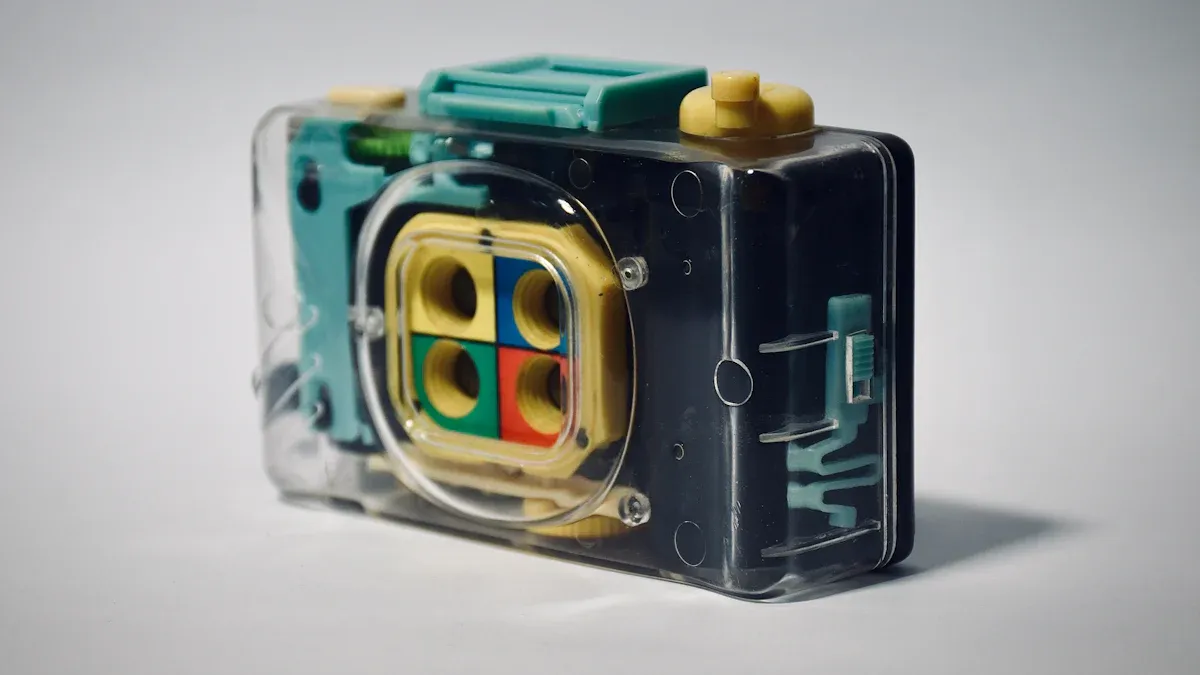
You can see how injection molding helps make electronic enclosures. You can pick engineering plastics like ABS, polycarbonate, polystyrene, and nylon. Each plastic gives strength, resists chemicals, or saves money. Injection molding makes exact and detailed parts in big batches. You save money because tooling costs spread over many parts. You also get design freedom. You can add thin walls, special textures, or in-mold labels to your electronic products.
Key Takeaways
- Injection molding uses tough plastics like ABS and polycarbonate. These plastics help protect electronics from harm. This makes the products last longer and stay strong.
- Injection molding saves money because many parts share the same mold. This makes making products cheaper and faster.
- Design flexibility lets you make different shapes and features. You can change designs to fit special needs. This also makes products look better.
- Picking the right material is very important. Think about the environment, how well it works, and your budget. This helps make sure the enclosure does its job.
- Adding things like ribs and bosses makes enclosures stronger. These features keep the weight low. This helps products work better and cost less.
Injection Molding Benefits for Electronic Enclosures
Durability and Protection
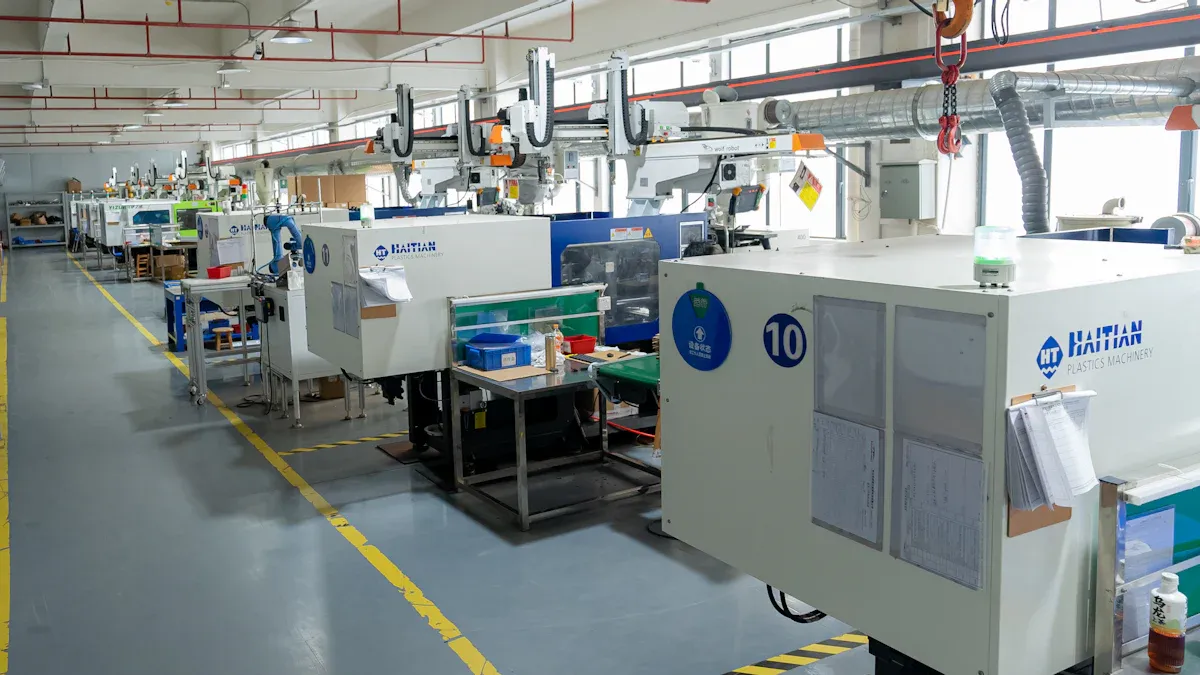
You want your electronics to last a long time. Injection molding uses strong plastics to keep them safe. These plastics protect against water, bumps, and chemicals. The table below shows how each plastic helps in real products:
| Material | Industrial Application | Why it’s Used |
| ABS | Housings for industrial equipment | It is tough, easy to shape, and does not crack easily. |
| Nylon | Mechanical gears, bushings | It is strong, lasts long, and slides smoothly. |
| PC | Safety shields, machine guards | It is clear, hard to break, and works in hot places. |
| PE | Chemical storage tanks | It is light, keeps out water, and resists chemicals. |
| PEEK | Insulating components | It stays strong when hot and resists harsh things. |
These plastics help stop damage from drops or spills. They make your devices work well for a long time.
Cost-Effectiveness and Weight Reduction
Injection molding saves money when you make many enclosures. Here are some reasons:
- The mold cost is shared by many parts, so each one is cheaper.
- You can pick from many materials and finishes.
- Plastic enclosures are light, so they are easy to move.
- Lighter enclosures are better for small or portable devices.
Tip: Using lighter enclosures can help save energy in cars and gadgets.
Design Flexibility and Customization
Injection molding lets you make many shapes and features. You can:
- Keep walls the same thickness for strong parts.
- Add ribs for strength without using more plastic.
- Use rounded corners to stop cracks.
- Mold holes or slots for special parts like solar cells.
You can also pick colors and textures for your enclosures. Injection molding gives you many choices to fit your needs.
Design Requirements for Injection Molding Enclosures
Material Selection
Picking the best plastic is very important. You must think about where you will use the enclosure. You also need to think about how it looks and what it costs. The table below shows what to check when picking a material:
| Criteria | Description |
| Environment | Will the enclosure face sunlight, moisture, or chemicals? |
| Performance Needs | Does it need to handle drops, heat, or block EMI? |
| Aesthetics | Should it look shiny, have a special color, or feel smooth? |
| Budget | How much can you spend while keeping the product reliable? |
| Moldability | Can the plastic fill thin molds easily? |
| Heat Resistance | Will it stay strong in high temperatures? |
| Electrical Insulation | Can it keep users safe from electric currents? |
| Impact Strength | Will it protect the inside parts if dropped? |
| Chemical Resistance | Can it handle cleaning agents, oils, or water? |
| Regulatory Compliance | Does it meet safety rules like UL or FDA standards? |
| Aesthetic Requirements | Does it need a certain gloss, color, or texture? |
Mechanical and Thermal Considerations
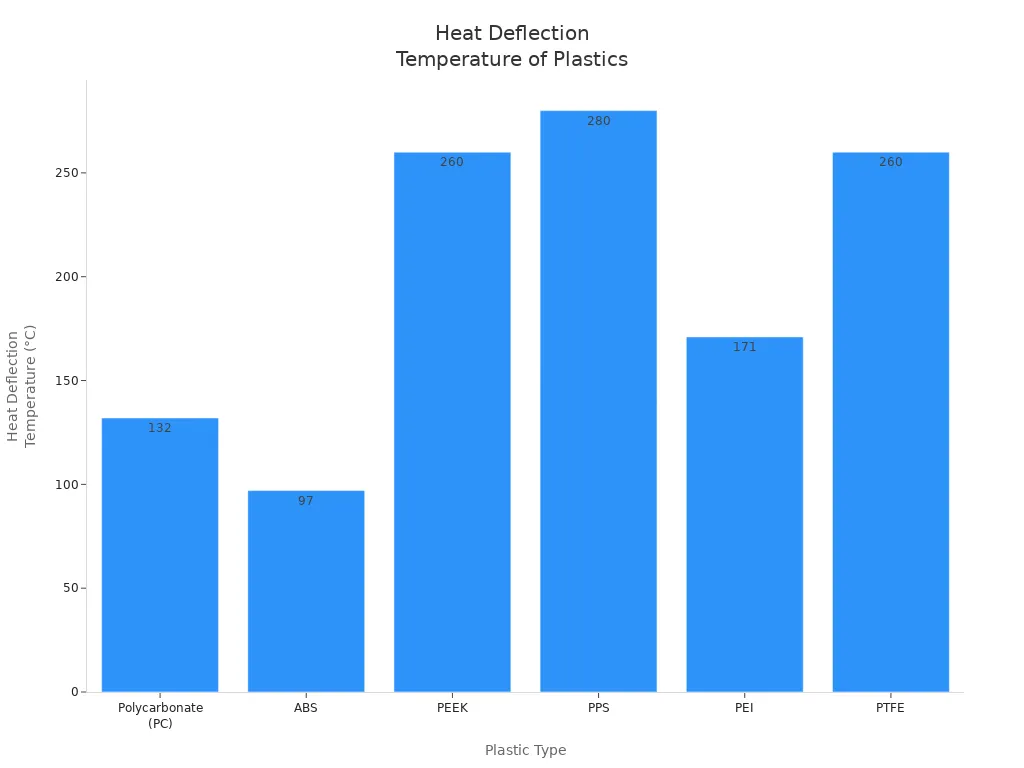
Your enclosure should be strong and safe. Different plastics have different strength and heat resistance. The table below compares some common plastics:
| Plastic Type | Impact Resistance | Heat Deflection Temperature | Cost | Additional Properties |
| Polycarbonate (PC) | Superior | 132°C | Higher | UV filtering, transparent enclosures |
| ABS | Moderate | 97°C | Lower | Scratch resistance |
| PEEK | Exceptional | 260°C | Higher | Dimensional stability, radiation resistance |
| PPS | Outstanding | 280°C | Lower than PEEK | Chemical resistance, flame retardance |
| PEI | Excellent | 171°C | Moderate | Strength-to-weight ratio, hydrolytic stability |
| PTFE | Unmatched | -190°C to 260°C | Moderate | Electrical insulation, low friction properties |
Tip: If your device gets hot, choose a plastic that can handle high heat.
Compliance and Standards
You must follow rules when making enclosures. These rules keep people safe and help you sell in more places. Here are some important standards:
- Safety and electromagnetic compatibility (EMC) requirements
- EMI compliance with FCC and IEC standards
- Environmental rules like RoHS and REACH for chemical safety
- EPA & TSCA for chemical and environmental practices
- FDA Title 21 CFR for food and medical-grade plastics
- FST standards for transportation products
Note: Meeting these rules helps your Injection Molding project pass checks and sell worldwide.
Practical Guidelines for Injection Molded Enclosure Design
When you design electronic enclosures with Injection Molding, you need to follow some simple rules. These rules help you make parts that are easy to build, strong, and look nice.
Wall Thickness Optimization
Pick the right wall thickness for your enclosure. If walls are too thin, they might break or bend. If walls are too thick, you waste plastic and cooling takes longer. Most enclosures work best with walls between 1 and 5 millimeters. The best thickness depends on the plastic you use.
| Material | Recommended Wall Thickness (mm) |
| ABS | 1.14–3.56 |
| Acetal | 0.76–3.05 |
| Acrylic | 0.64–3.81 |
| Liquid Crystal Polymer | 0.76–3.05 |
| Long-Fiber Reinforced Plastics | 1.91–25.4 |
| Nylon | 0.76–2.92 |
| Polycarbonate | 1.02–3.81 |
| Polyester | 0.64–3.18 |
| Polyethylene | 0.76–5.08 |
| Polyethylene Sulfide | 0.51–4.57 |
| Polypropylene | 0.64–3.81 |
| Polystyrene | 0.89–3.81 |
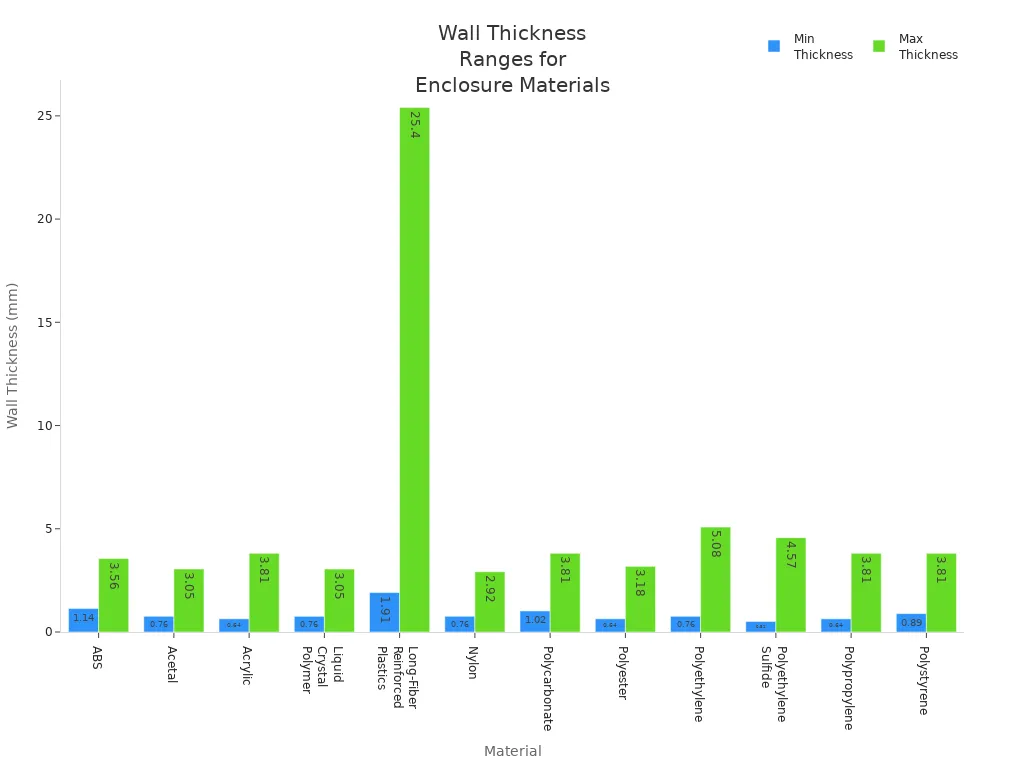
Making walls the right thickness helps your enclosure last longer. Thicker walls protect against bumps and help with heat. You also save money by not using too much plastic.
Tip: Try to keep wall thickness the same everywhere. This helps stop bending and makes molding easier.
Bosses, Ribs, and Reinforcement
Bosses and ribs make your enclosure stronger without adding much weight. Bosses hold screws or fasteners in place. Ribs support big areas and stop them from bending.
| Design Principle | Recommendation |
| Rib Width | About half the wall thickness |
| Rib Height | Below three times the thickness |
| Boss Outer Rings | Twice the screw diameter plus gussets |
| Boss Height | Should not exceed 2.5 times its outer diameter |
| Draft Angle | 1-2 degrees recommended |
- Ribs make parts strong but use less plastic.
- Bosses help you attach covers or boards tightly.
- Fillets at the bottom of bosses lower stress and stop cracks.
- Gussets make the base stronger and steadier.
You can use more than one plastic in your design. This helps your enclosure work better. Many companies use two-shot molding to make enclosures tougher and cut down on returns.
Note: Tests like force-to-break show that reinforced enclosures last longer and meet safety rules.
Draft Angles and Parting Lines
Draft angles help you take the part out of the mold easily. If you forget draft angles, the part might get stuck or break. Plan draft angles based on how smooth or rough you want the surface.
| Surface Type | Recommended Draft Angle |
| Smooth Finish | 1° – 2° |
| Light Texture | 2° – 3° |
| Medium Texture | 3° – 5° |
| Deep Texture | 5° – 7° |
| Material Type | Minimum Draft Angle |
| ABS | 1.5° |
| Polycarbonate | 1° |
| Polypropylene | 0.5° |
| Glass-Filled Materials | 2° – 3° |
Use CAD software to check your draft angles. Add more draft where it is harder to push the part out. Keep wall thickness even when you add draft.
Parting lines show where the mold splits apart. Put parting lines along natural edges to hide them. This keeps your enclosure looking good. Try not to use undercuts because they make molding harder and cost more.
- Put parting lines on natural edges.
- Skip undercuts that make ejection tricky.
- Keep parting lines away from logos or important spots.
Draft angles and smart parting line choices help you get smooth surfaces and fewer mistakes. You also spend less money and make your enclosure look nicer.
Surface Finish Options
Surface finish changes how your enclosure looks and feels. People often judge quality by the surface. A good finish can make your product worth more and lower returns.
- SPI A-1: Very shiny, good for clear covers and screens.
- SPI B-1: Smooth matte, nice for tool cases and gear.
- SPI C-1: Fine texture, best for things you hold in your hand.
| Surface Finish Type | Cost Implication |
| SPI C-1 (Standard) | Costs less |
| SPI A-1 (Polished) | Needs more work, so costs more |
| Textured Finishes | Extra steps make it cost more |
Tip: Pick a finish that fits your product’s job. A textured grip helps people hold devices. A shiny finish is good for screens.
Better finishes can make your product more valuable. They also help parts fit together, which saves money when putting things together. If you choose the right finish, you get fewer mistakes and returns.
Injection Molding lets you pick from many finishes. You can match your brand and make customers happy.
You can see how new ways of making things change electronic enclosures. The table below gives examples from real companies. These show how they save money, make strong products, and work faster:
| Case Study | Description |
| Nightside’s Journey from Prototype to Production | Moved fast from testing to making lots of products. |
| Airvine Scientific Success Story | Made tough and useful enclosures. |
| BeraTek Industries | Switched from metal to plastic for more choices and lower prices. |
| Enclosure Materials and Case Design in 2025 | Materials help decide what products do and how they look. |
Picking the best materials keeps electronics safe from dust and water. It also stops damage from bumps. This helps your equipment last longer and follow safety rules. If you use ribs and round corners, your enclosures get stronger and work better. You can try new materials and shapes to make cool and safe products. These ideas help you spend less money and get ready for new technology.
FAQ
What plastics work best for electronic enclosures?
You can use ABS, polycarbonate, or nylon. These plastics give you strength, good looks, and safety. Each one protects your electronics from bumps, heat, and water.
How do you make sure your enclosure meets safety rules?
You should check standards like UL, FCC, and RoHS. These rules help you keep your product safe and legal. Always ask your supplier for proof of compliance.
Can you add logos or labels during injection molding?
Yes! You can use in-mold labeling or engraving. This lets you add your logo, part numbers, or symbols right into the enclosure. You get a clean and lasting mark.
Why do you need draft angles in your design?
Draft angles help you remove the part from the mold without damage. You avoid scratches and stuck parts. Always add at least 1° to 2° for smooth ejection.
