


Medical device injection molding helps you make exact parts. These parts must follow tough safety and quality rules in healthcare. You use this process for things like syringes and surgical tools. It is also used for diagnostic devices, specimen cups, and drug-delivery systems. Special cleanrooms with positive pressure systems are important. Workers must wear special clothes to keep things clean. This helps stop germs from getting in and keeps each device safe. You use safe materials and careful manufacturing to protect patients’ health.
Key Takeaways
- Medical device injection molding makes exact parts. These parts must meet strict safety rules. This helps keep patients safe. – Cleanrooms are used during making to stop contamination. This is very important for good product quality. – Picking the right medical-grade plastics is very important. The plastics must be safe and strong. They also need to fit the medical use. – Following rules like FDA and ISO standards is very important. This helps make sure the devices are safe and meet quality checks. – Injection molding can make many parts fast. This lowers costs and keeps all parts the same and high quality.
What Is Medical Device Injection Molding
Definition and Core Principles
Medical device injection molding makes plastic parts for healthcare. The process melts plastic and shapes it in special molds. It follows strict rules to keep patients safe and meet standards. This method is different from other ways of molding plastic. It needs extra steps to make sure everything is safe and high quality.
- Cleanrooms are used to keep germs away from the products.
- Materials must be safe for people and pass biocompatibility checks.
- Every step is written down to track what happens and follow rules.
- Quality checks are done to stop mistakes that could hurt patients.
Tip: Pick materials that follow healthcare rules. This helps you stay safe and follow the law.
Here are the main ideas for medical device injection molding in healthcare:
| Core Principle | Description |
| Material Evaluation | Pick materials that follow health rules and laws. |
| Manufacturing Processes | Use safe and fast ways to make the devices. |
| Product Lifespan | Think about how long the device will work well. |
| End-of-Life Disposal Strategies | Plan how to throw away devices safely for the planet. |
| Biocompatibility | Make sure materials do not hurt or react with people. |
| Regulatory Compliance | Follow health and safety rules from around the world. |
| Sustainability | Use ways that help the environment during the product’s life. |
You must follow tough rules like ISO 13485, which are not for regular plastic molding. You also stop pollution and follow rules that keep people safe. Every part of the process, from raw materials to packing, must be tracked and written down.
Applications in Healthcare
Medical device injection molding is used in many health products. This process helps make safe and strong parts for patients. You can find these molded parts in:
- Syringes and pipettes
- Catheter locks and orthopedic tools
- Parts for test kits
- Personal safety gear
- Microfluidic devices
- Surgical and drug delivery tools
- Dental X-ray machine parts
- Petri dishes and test tubes
- Covers and cases for medical devices
- Implantable parts and suture anchors
- Endoscope covers and trauma repair tools
- Single-use test instruments
There are problems like tricky shapes, picking the right material, and making good molds. These are fixed with better tools and by working with experts who know the rules. Problems with getting supplies, like slow shipping, can hurt patient safety. You fix this by talking more and using trusted local suppliers.
Note: When you use injection molding for medical devices, you can make great parts for many health uses. You also follow strict safety and rule requirements.
Injection Molding Process
Step-by-Step Overview
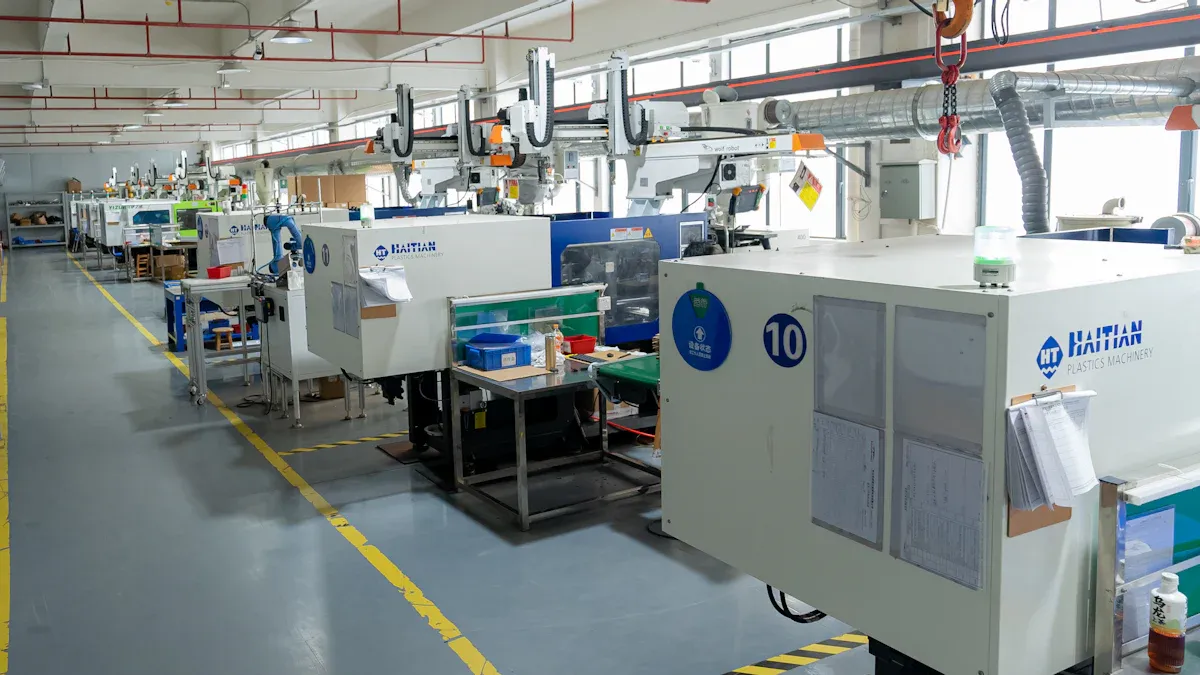
Making medical devices needs careful steps. Each step helps make sure the parts are safe. The process follows strict health rules. Here is a simple overview:
| Stage | Description |
| 1 | Make the design better and pick the right material. Think about how easy it is to make. |
| 2 | Build the mold from the final design. The mold must be very exact. |
| 3 | Test the mold and check the process. Make sure the parts come out right. |
| 4 | Start making lots of parts. Check each one to keep quality high. |
First, you pick good materials and fix the design. Then, you make a mold that fits the design. Next, you test the mold to see if it works well. After that, you make many parts and check them for problems. New tools, like computer mold tests and fast models, help you work better. Special plastics and germ-fighting materials can make devices safer and last longer.
Tip: Try using new design tools and strong materials. This can help your medical devices work better and stay safe.
Cleanroom Manufacturing
Cleanrooms are needed to keep the process safe. ISO class 8 cleanrooms help stop dirt and germs from getting in. Here is why cleanrooms are important:
- Cleanrooms take away dust and tiny bits that can hurt devices.
- Cleaning and checks help you follow FDA and world safety rules.
- Keeping things clean lowers the chance of recalls or harm to patients.
- Tests and checks happen often to keep things very clean.
- Cleanrooms help make sure every part is made just right.
You must watch the air and space all the time. This keeps medical devices safe for hospitals and clinics.
Benefits of Injection Molding
Precision and Consistency
Medical devices must work the same every time. Injection molding helps make this happen. The process uses special molds and machines. These tools make sure each part is made just right. Every piece will have the same size and shape. This is very important for things like implants or moving parts. Even a small mistake can cause big problems.
Injection molding has many good points. You can make lots of parts for less money. There is not much waste. Each product is the same. The process is fast and saves time.
You can also use FDA-approved materials. This helps you follow safety rules from the start.
Complex Geometries and Prototyping
Some parts need special shapes or tiny details. Injection molding lets you make these hard designs. Other ways cannot do this. You can change designs quickly and test new ideas fast. If you want to try something new, you can make a prototype and see how it works.
- You can make almost any shape, even with small details.
- The process lets you make test parts quickly and cheaply.
- You get parts that are always the right size, which is important for medical use.
This makes it easier to bring new devices to market. You can do this faster and with fewer mistakes.
Scalability and Cost Efficiency
If you need thousands or millions of parts, injection molding is best. It works for both small and big batches. When you make more parts, each one costs less. This helps keep prices low and quality high.
| Benefit | Description |
| Consistency and Repeatability | You get perfect parts every time, which keeps patients safe. |
| Ability to Produce Complex Geometries | You can make detailed parts for things like catheters and implants. |
| High-Volume Production Efficiency | Fast cycles and smart material use save money on big orders. |
| Cost-Effectiveness for Large Runs | The more you make, the less each part costs, which helps your budget. |
You can change how many parts you make when needed. This means you do not waste materials. Injection molding is a smart way to grow your medical device business.
Materials for Injection Molding
Medical-Grade Plastics
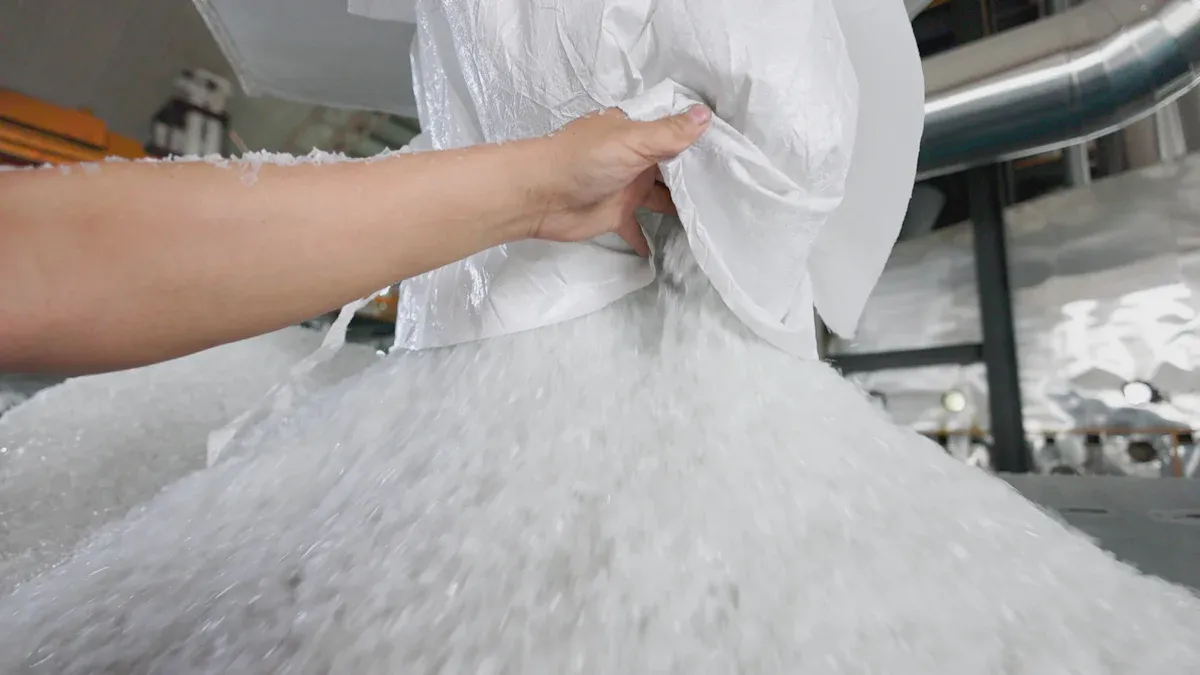
You must pick the right plastic for your device. Medical-grade plastics are safe and strong. Each type works best for certain health needs. Here is a simple guide to common plastics used in injection molding for medical devices:
| Material | Why it’s used | Applications | Pros | Cons |
| Polypropylene (PP) | Lightweight, cost-effective, chemical resistant | Syringe barrels, labware | Excellent chemical resistance, disposable | Limited temperature resistance |
| Polycarbonate (PC) | Clear, strong, impact resistant | Surgical housings, IV components | Transparent, strong, sterilizable | Prone to stress cracking |
| PEEK | High strength, biocompatible | Implants, orthopedic instruments | High temp resistance, radiolucent | High cost, harder to process |
| ABS | Tough, stable | Equipment housings, handheld devices | Affordable, strong, easy to mold | Limited sterilization options |
| Polyethylene (PE) | Flexible, chemical resistant | Prosthetics, tubing | Lightweight, good for disposables | Lower strength |
| TPE | Flexible, soft | Catheter tips, seals | Soft, comfortable for skin contact | Limited high-temp performance |
Tip: Choose plastics that fit your device and meet safety rules.
Material Properties Comparison
You need to compare plastics to find the best one. Look at how strong, clear, and cleanable they are. This table shows the main differences:
| Material | Key Properties | Common Applications |
| PEEK | Strong, stable at high temperatures, chemical resistant | Implants, spinal, orthopedic, dental |
| Polycarbonate | Clear, strong, biocompatible | Surgical tools, IV components, diagnostics |
| Polypropylene | Chemical resistant, easy to sterilize | Syringes, containers, labware |
Pick materials that keep their features for a long time. Some plastics are better for things you use once. Others work well for things you use many times. Always check if the plastic can handle cleaning and sterilizing with steam or gamma rays.
Biocompatibility and Selection
Biocompatibility means the device will not hurt people. You must test materials to make sure they are safe for skin, blood, or tissue. Devices are put into three risk groups:
| Class | Risk Level | Examples |
| I | Low-risk | Hospital beds, test tubes |
| II | Moderate | Syringes, contact lenses |
| III | High-risk | Pacemakers, implanted prostheses |
When you pick a material, check if it meets ISO 13485 and ISO 10993:1 rules. Think about how easy it is to get the material and if it works for your process. Good choices help your device last longer and keep people safe.
Note: Always think about cleaning and sterilizing before you pick a plastic. This helps your device stay safe and work well.
Compliance and Quality Standards
FDA and ISO Requirements
You have to follow strict rules when making medical devices. The FDA and ISO make these rules to keep people safe. Here is what you must do:
- Sign up your factory with the FDA before making devices.
- Set up a Quality Management System for daily work, as 21 CFR 820 says.
- Meet ISO 13485 rules to show you have good steps and records.
- The FDA wants proof your process works every time. You do this by finishing IQ, OQ, and PQ steps.
- Keeping things clean and germ-free is very important. You must keep both your parts and your work area clean.
- ISO 13485 is needed for any place making medical parts.
- Some devices must meet biocompatibility rules like ISO 10993.
Note: If you sell devices in Europe, you must also follow EU MDR rules. These rules need more paperwork and tracking.
Traceability and Documentation
You must track every step in making your device. This helps you find problems fast and keeps people safe. Good records also show you follow the rules. Here are some main points:
- Keep reports and logs for all machines.
- Write down process details for each batch you make.
- Track where your materials come from and their lot numbers.
- Use computers to save data from design to shipping.
| Factor | Description |
| Proven experience in medical injection molding | Shows you know how to follow rules and finish jobs right. |
| ISO 13485:2016 certification | Proves you have a good system and keep good records. |
| ISO cleanroom classification | Keeps your products safe from dirt and germs while making them. |
Tip: Good tracking helps you fix problems fast and stop recalls.
Overmolding and Design Expertise
Overmolding lets you put different materials in one part. This makes your device stronger and safer. You can also make tricky shapes and protect weak parts from harm.
| Benefit | Description |
| Integration of multiple materials | Makes your device look and work better. |
| Intricate designs | Lets you make tricky shapes that are easy to use. |
| Reduced assembly requirements | Cuts out extra steps, saving time and money. |
| Enhanced user safety | Makes your device safer and less likely to break. |
| Increased part strength | Makes your device last longer. |
| Protection from harsh environments | Shields important parts from heat, water, or chemicals. |
You should work with experts early when designing your device. They help you find problems before they happen. This teamwork helps your device pass tests and get approved faster.
Remember: Good design and expert help stop recalls and keep your company’s good name.
You get many good things when you use injection molding for medical devices.
- Micron-level accuracy means each part is made very exact.
- Engineered plastics are strong and safe for people. They can be cleaned and used in the body.
- Making lots of parts at once saves money and makes less trash.
- Cleanrooms keep dirt and germs away from the devices. This makes the devices work better.
- Watching the process closely helps you follow safety rules.
When you pick materials, look for ones that are strong and bend easily. They also need to be safe for people. Cleanrooms and careful record-keeping help you follow FDA and ISO rules. To do your best, work with a company that has cleanrooms, lots of experience, and good design help.
| Criteria | Why It Matters |
| Quality Assurance | Makes sure devices are safe and follow rules |
| Certified Clean Room | Helps stop dirt and germs from getting in |
| Experience | Gives you parts you can trust every time |
| Design Support | Helps your device work its best |
FAQ
What is the main advantage of injection molding for medical devices?
You get very exact parts every time. This process makes hard shapes fast. Each part meets tough medical rules.
Can you use any plastic for medical device injection molding?
No, you need special medical-grade plastics. These plastics pass safety checks. They are safe for people and can be cleaned.
Why do you need a cleanroom for medical device molding?
A cleanroom stops dust and germs from touching products. This helps you follow FDA and ISO rules. It keeps patients safe.
How do you ensure quality in every molded part?
You check each part with strong inspections and good records. Advanced machines help find mistakes. This keeps devices safe and working well.
