


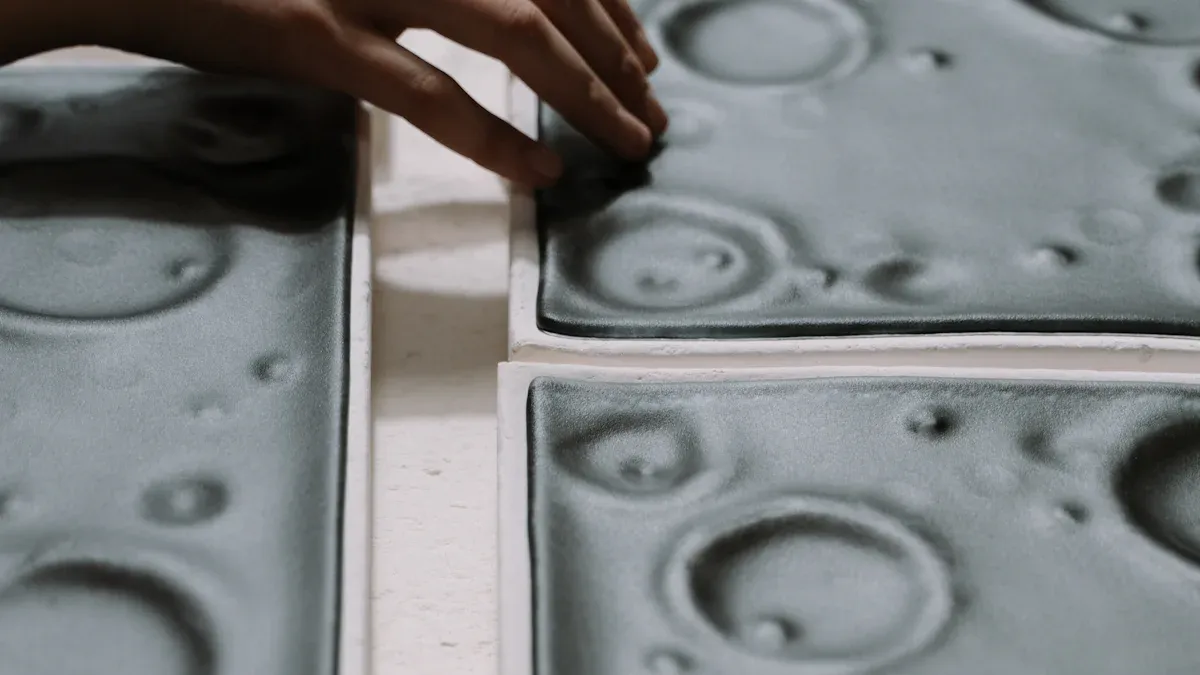
Manufacturing has many challenges, like tricky designs and strict rules. Custom injection molding companies solve these problems with care. They create special solutions for tough projects. Complex molding helps make creative designs with detailed shapes and great quality. Working with experts gives you new methods and materials. This helps your products match exact needs. Teaming up with them also improves how well your products work and saves time.
Key Takeaways
- Picking the right material is key for good products and costs. Know what your product needs to choose the best material.
- Tools like CAD and simulations help design tricky molds well. Use these tools to avoid errors and make production better.
- Using process controls and SPC lowers mistakes and boosts efficiency. Watch production carefully to keep quality high.
- Working with injection molding experts solves problems faster. Their skills and tools create better designs and quicker production.
- Testing designs early with prototypes is very important. It saves time and money by checking quality before making lots of products.
Material Selection in Injection Molding
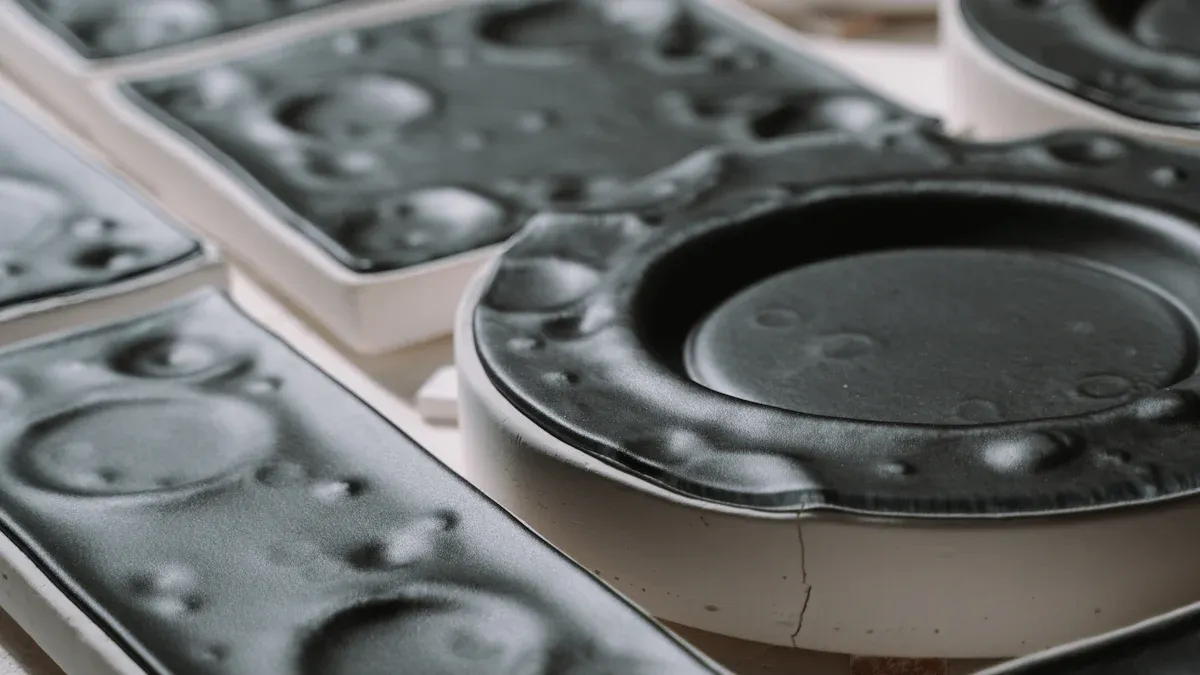
Picking the right material is very important in injection molding. It affects how well your product works, lasts, and costs. Knowing what your product needs helps you pick the best material.
Why the Right Material Matters
Balancing strength, cost, and durability
Each material has special benefits. For example, POM (Acetal) is strong and stiff, great for gears and pumps. PMMA (Acrylic) works well for lenses because it resists scratches. Below is a table showing materials and their uses:
| Resin Type | Benefits | Applications | Considerations |
|---|---|---|---|
| POM | Strong, stiff, smooth surface | Gears, pumps, car parts | Needs even wall thickness |
| PMMA | Clear, scratch-resistant | Lenses, light pipes | Can break easily, needs draft angles |
| ABS | Tough, low-cost | Covers, housings | May need mixing to avoid weak spots |
| HDPE | Durable, affordable | Containers, outdoor furniture | Shrinks a lot, hard to paint |
| PC | Strong, impact-resistant | Medical tools, lenses | May have gaps in thick areas |
| PP | Flexible, cheap | Toys, bendable parts | Can have gaps in thick areas |
Choosing the right material makes products work better and cost less. Injection molding also creates lightweight, strong parts faster and cheaper.
Matching material to product needs
Different products need different materials. For example, medical tools use PC for strength and safety rules. Everyday items often use ABS because it’s tough and affordable. Picking the right material saves time and reduces extra work.
Customizing Materials for Special Needs
Making unique blends for tough jobs
Custom molding often mixes materials for special needs. For example, thin food containers are made lighter by testing materials and designs. This saves time and lowers costs. Airtight containers use special materials to keep food fresh.
Following industry rules
In manufacturing, following rules is a must. For example, a medical company used fast testing to meet strict safety rules. Tools like simulations help predict how materials will perform. This ensures products are safe and work well.
Customizing materials solves tough molding problems. It also helps create new ideas while keeping high-quality standards in plastic manufacturing.
Designing Complex Mold Structures
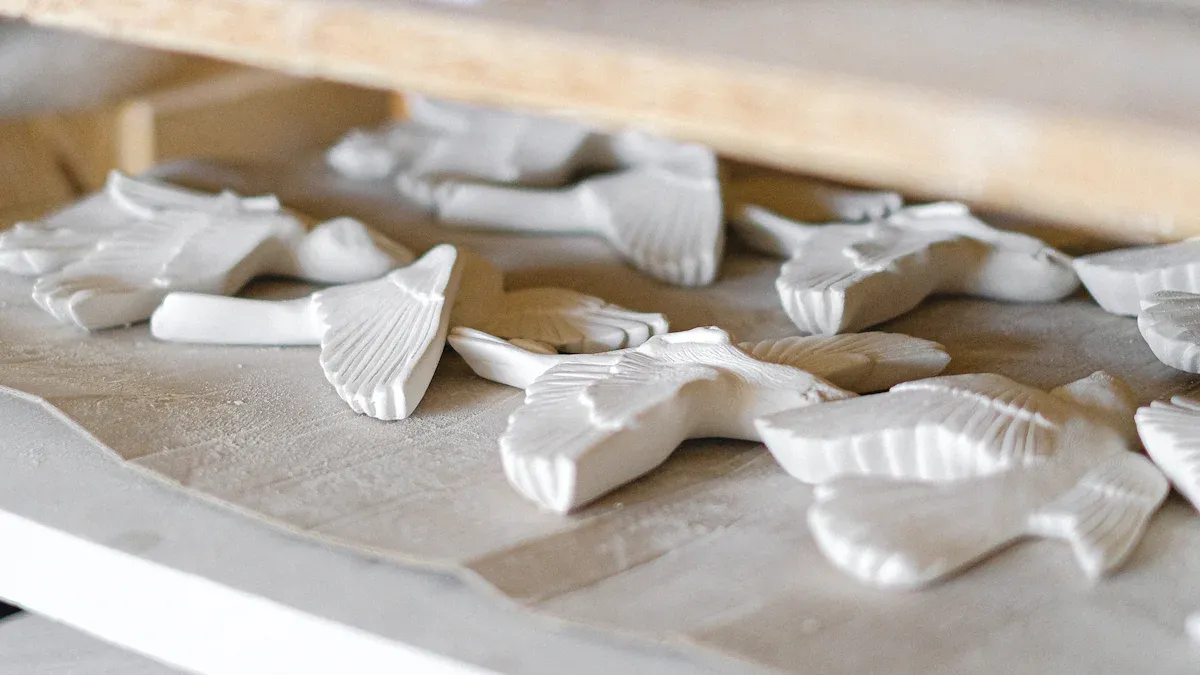
Precision in Complex Mold Designs
Adding detailed shapes and exact measurements
Complex molding helps make parts with detailed shapes and exact sizes. This process ensures even tricky designs are made correctly. For example, placing gates in the right spots helps plastic flow better. This reduces problems like bending or uneven cooling. Also, planning parting lines makes products look better and need less fixing later. Adding ribs and bosses in smart ways avoids issues like dents or cracks. These steps make sure your products are strong, last long, and work well.
Stopping design mistakes with smart methods
Smart mold design methods help avoid expensive mistakes. Simulation tools show how materials will act during molding. For instance, they predict how plastic flows to spot problems early. This lets you fix the mold before making the product. Cooling is also very important. Good cooling plans stop uneven shrinking, making parts stronger and faster to produce. These methods make sure your products work well and look great.
Using Advanced Mold Technologies
Using CAD and simulations for better designs
Modern tools like CAD and simulations make mold designing easier. They help you see and plan every part of the mold. You can create core and cavity parts from models and pick the best bases. Simulations also help by fixing designs and finding problems early. These tools ensure your complex molds meet tough requirements.
Testing designs with prototypes
Prototyping is key to checking your mold designs. Quick prototyping lets you test and improve designs faster, saving time and money. For example, a company making medical tools used prototypes to solve mold problems. They worked with experts to meet strict safety rules and ensure quality. This helped them launch a great product with fewer issues. Prototyping not only checks designs but also ensures the product works well.
Complex molds improve manufacturing by making detailed shapes and reducing waste. They also make surfaces smoother and more precise. By using advanced tools and methods, you can get amazing results in injection molding.
Process Control and Efficiency in Injection Molding
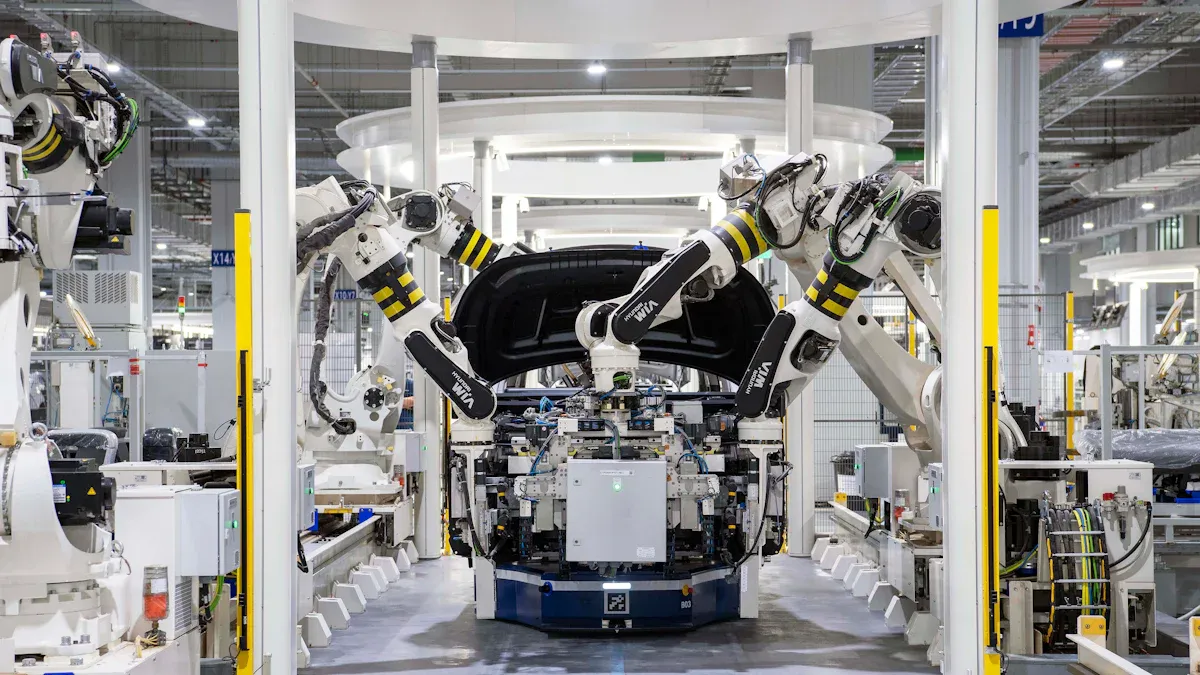
Making Production Easier
Using machines for better results
Machines and robots help make injection molding more reliable. They take over repeated tasks, reducing mistakes and keeping products the same. For example, machines can check molds and find problems quickly. Fixing these issues early saves time and money.
Robots also speed up work by doing jobs like removing parts. This lets workers focus on harder tasks. One company saved $600,000 a year by using robots to cut down on manual work. These tools make molding faster and more consistent.
Making products faster without losing quality
It’s important to make products quickly but still keep them good. New mold tools and machines help balance speed and quality. For example, a project for surgical tools cut production time by 25% while keeping quality high.
Watching the process in real time helps spot problems early. By studying the data, you can fix issues and improve the process. This way, products stay high-quality, and production becomes more efficient.
Controlling Production Details
Managing heat, pressure, and cooling
Good control of heat, pressure, and cooling is key in molding. These things affect how good the products are. Machines that monitor in real time help keep conditions just right. For example, steady cooling stops problems like bending or shrinking.
Tools like SPC (Statistical Process Control) study data to find patterns. This helps you adjust settings to make better products. It also cuts down on wasted materials and delays.
Adjusting to harder projects
As projects get more complex, processes need to change too. Tools like multivariate analysis show how different factors work together. This helps you tweak things like cooling and speed for better results.
Using advanced tools keeps quality high, even with tricky designs. This flexibility makes sure your molding stays efficient and dependable, no matter how hard the job is.
Quality Assurance in Injection Molding

Making sure injection molding produces good parts is very important. By using careful testing and smart tools, you can avoid mistakes and keep quality high.
Keeping Things Accurate and Consistent
Using strict testing methods
Testing is key to keeping quality under control. You need to check things like heat, pressure, and cooling time to keep parts the same. Testing materials often makes sure they work well, and taking care of molds stops problems. The table below shows important things to watch for quality:
| Metric | Description | Impact on Quality Control |
|---|---|---|
| Process Control Parameters | Includes heat, pressure, speed, and cooling time. | Good control keeps parts the same and avoids mistakes. |
| Material Testing | Tests and picks the right materials for molding. | Makes sure parts work well and last long. |
| Mold Design and Maintenance | Focuses on mold design and keeping molds in good shape. | Stops problems and keeps parts looking good. |
| Regular Process Monitoring | Watching and fixing things during the molding process. | Finds and fixes problems quickly. |
| Quality Control Protocols | Using strong quality checks during production. | Makes sure products meet customer needs. |
By following these steps, you can stop problems and make great products.
Watching for mistakes and changes
You should always check for mistakes during production. Tests like checking moisture and part structure help find problems early. For example, CT scans can find hidden cracks, and CMM tools check sizes. Looking at data in real time helps fix issues before they get worse.
Using Data to Keep Quality High
Using SPC to improve quality
Statistical Process Control (SPC) is a helpful way to keep quality steady. By studying data, you can spot problems and fix them. For example, one company lowered its defect rate from 13.49% to 7.4% by using SPC. This method keeps production on track and reduces mistakes.
Making sure every batch is the same
SPC also helps make sure all batches are alike. Calibrating machines and using special software keeps results steady. Engineers test parts in labs to check strength and durability. These steps make sure every batch is just as good as the last one.
By mixing strong testing with SPC, you can make great plastic parts and avoid mistakes. These methods make products more reliable and improve the molding process.
Partnering with Custom Injection Molding Companies
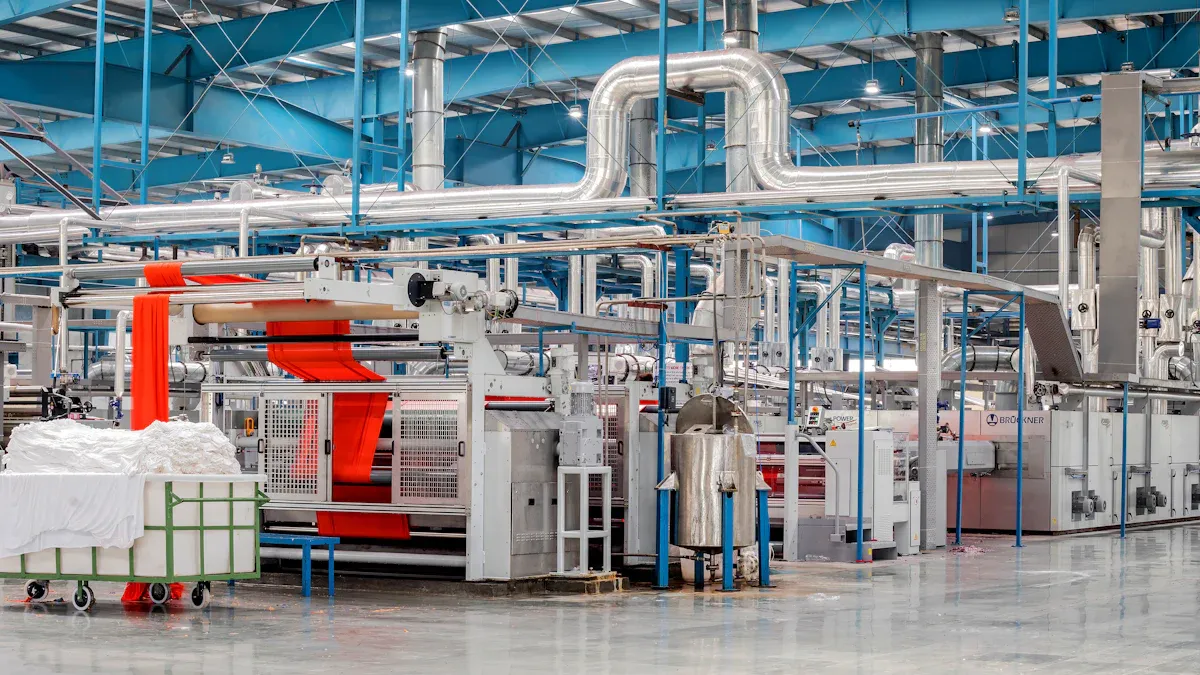
Advantages of Collaboration
Gaining expert help and advanced tools
Working with custom injection molding companies gives you expert help. They solve problems like picking materials, designing molds, and improving production. Their skills make sure your products are high-quality and affordable. For example, they use tools like CAD software and mold flow analysis. These tools help fix design issues and make production smoother. By using their knowledge, you can create accurate and flexible designs, even for tricky projects.
Solving problems and creating new ideas faster
Teaming up with skilled injection molding companies speeds up problem-solving. They offer custom solutions to fix manufacturing issues quickly. For instance, they test materials and use simulations to check performance. This makes production better and gets products to market faster. Whether you need detailed designs or eco-friendly options, they create plans just for you. Their expertise helps your products succeed in competitive markets.
Real-World Success Stories
Examples of tough problems solved with expert help
- Custom Plastic Manufacturing: A company wanted eco-friendly materials and better practices. By working with a skilled injection molding team, they grew revenue by 30% and cut waste.
- Medical Devices: A maker of surgical tools needed safe, detailed molds. Partnering with experts helped them prototype quickly and meet safety rules. This led to a successful product launch.
- Pet Care Accessories: A brand needed strong, green materials for its products. By teaming up with Beaver State Plastics, they boosted revenue by 30% and lowered emissions by 20%.
Learning from industry success
These stories show why working with experts is important. Companies that partner with skilled teams solve hard problems easily. They use advanced tools, eco-friendly methods, and smart solutions. For example, modular molds and quick prototypes improve production and quality. By following these examples, you can solve your own manufacturing challenges too.
Custom injection molding companies help solve tough manufacturing problems. They are skilled in picking materials, designing molds, and ensuring quality. These steps make your products better and more successful.
Explore our premier Injection Molding Service and unlock endless possibilities for your plastic creations! Check it out here.
- Choosing the right materials early avoids costly mistakes later.
- Using process controls and SPC methods lowers defects and boosts efficiency.
- Scientific Molding keeps parts consistent by managing material properties well.
Working with expert injection molders gives you custom solutions. These solutions improve your products and make production smoother. Use their skills to turn your ideas into reliable, high-quality products.
FAQ
What industries use custom injection molding the most?
Custom injection molding is great for aerospace, cars, medical tools, electronics, and energy. It makes strong, detailed parts that fit your needs.
How does prototyping help in injection molding?
Prototyping lets you test and fix designs early. This makes sure your product is good, avoids mistakes, and saves money and time.
Can eco-friendly materials be used in injection molding?
Yes! You can use recycled or biodegradable plastics. This helps the environment while keeping products high-quality.
What is overmolding, and why is it helpful?
Overmolding means adding one material on top of another. It makes products stronger, easier to hold, and longer-lasting. It’s used for tools, medical items, and gadgets.
How do companies keep quality high in injection molding?
They use smart tools like CAD, simulations, and SPC. These tools check production, stop mistakes, and keep products consistent.
